Domestic airlines in Nigeria have warned of a possible nationwide suspension of flight operations from Thursday, April 30, 2026, over what they describe as unsustainable aviation fuel costs that have crippled their operations.
Industry operators say the price of Jet A1 has surged by more than 300 per cent in recent months, placing severe pressure on airlines already struggling with rising operational expenses.
The warning follows unsuccessful negotiations between airline operators, fuel marketers, and the Federal Government, despite a high-level meeting convened in Abuja by the Minister of Aviation and Aerospace Development, Festus Keyamo.
Although the government announced a 30 per cent reduction in aviation-related taxes as a relief measure, operators insist the intervention does not address the core issue of fuel pricing.
Vice President of the Airline Operators of Nigeria, Allen Onyema, said airlines are being forced to operate solely to meet fuel costs, warning that safety could be compromised if the situation persists.
He disclosed that aviation fuel prices have risen sharply from about N900 per litre to as high as N3,500 in some locations, describing the increase as disproportionate to global market trends.
“Since the advent of the US-Iran war, there has been a spike in aviation fuel in Nigeria… no airline will fly in this country in the next seven days if nothing is done,” Onyema warned.
He also accused fuel marketers of failing to justify the sharp price increases and called for stronger government oversight of the sector.
According to operators, airlines are now requesting a six-month suspension of aviation taxes, fees, and charges to help cushion the impact of rising costs. They also proposed a temporary fuel surcharge framework and credit relief measures from marketers.
A formal letter from the Airline Operators of Nigeria, signed by its president Abdulmunaf Sarina, urged the government to establish an industry tax reform committee to review aviation charges and align them with global standards.
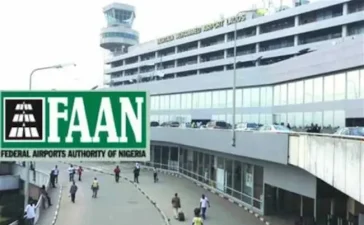
Despite concerns over a potential shutdown, airline officials insist they remain up to date with obligations to aviation agencies such as the Federal Airports Authority of Nigeria and the Nigerian Airspace Management Agency.
However, uncertainty continues to grow among passengers who rely heavily on domestic air travel for business and urgent movement across the country.
Industry stakeholders warn that if no urgent agreement is reached, Nigeria could face a near-total halt in domestic air travel, with significant economic and logistical consequences.