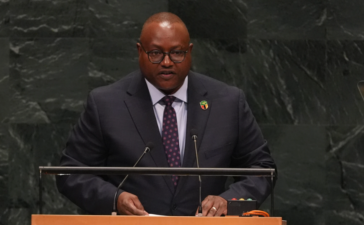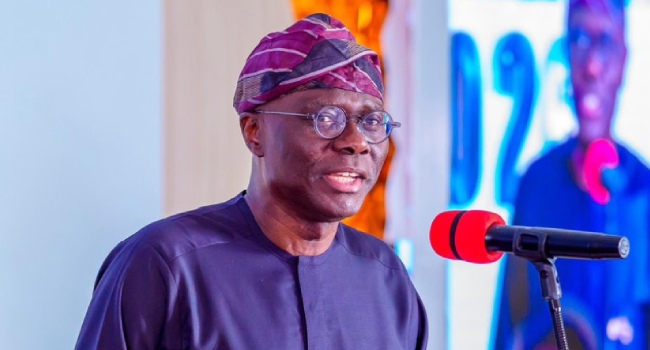
Lagos State Governor, Babajide Sanwo-Olu, has revealed that the state requires approximately 40,000 additional doctors and 40,000 nurses to adequately meet the healthcare needs of its rapidly growing population.
The governor made the disclosure on Thursday during the opening of the second Eko Health Convention at the Oriental Hotel in Victoria Island, Lagos.
According to a report published on Friday, August 7, 2026, Sanwo-Olu identified inadequate healthcare personnel and insufficient funding as two of the major challenges confronting the state’s health sector.
The governor explained that Lagos currently has about 7,000 doctors, far below the estimated number required to adequately serve its population.
He also said the state needs approximately 40,000 additional nurses, highlighting the significant pressure currently being placed on available healthcare professionals.
Sanwo-Olu noted that the shortage means existing medical personnel are carrying workloads far beyond what would ordinarily be expected.
Beyond the shortage of health workers, the governor disclosed that Lagos faces a healthcare funding gap of at least ₦100 billion.
He explained that existing budgetary allocations are insufficient to meet the actual financial requirements of the state’s healthcare system.
The situation has been compounded by declining international donor support for disease-control programmes. According to the governor, donor funding that supported several public-health programmes for many years is shrinking significantly.
Despite the challenges, the Lagos State Government is implementing measures aimed at improving healthcare delivery and addressing the manpower shortage.
Sanwo-Olu said the government has commenced recruitment across the state’s 29 secondary healthcare facilities.
The administration is also providing improved welfare packages and accommodation to healthcare workers as part of efforts to retain existing personnel and make Lagos more attractive to health professionals.
The governor further disclosed plans to establish a University of Medicine and Health Sciences, which is expected to contribute to the long-term development of medical manpower in the state.
Another area highlighted during the event was healthcare financing and access.
Sanwo-Olu said more than 1.5 million Lagos residents have enrolled in the state’s health insurance scheme, Ilera Eko, reflecting efforts to expand access to affordable and sustainable healthcare.
The expansion of health insurance coverage is particularly important as healthcare costs continue to place pressure on households.
A stronger insurance system can help reduce direct out-of-pocket payments while improving access to essential medical services.
The governor’s disclosure underscores the scale of the healthcare workforce challenge facing Lagos and highlights the need for sustained investment in medical education, recruitment, infrastructure and healthcare financing.
For a megacity with a rapidly growing population, maintaining an adequate supply of doctors, nurses and other health professionals will remain critical to ensuring quality healthcare delivery.
The development also reinforces the importance of collaboration among government, private healthcare providers, financial institutions, universities and development partners.
As Lagos continues to expand, addressing its healthcare workforce and funding gaps will be essential to achieving broader health coverage and improving health outcomes for residents.