Iran has threatened to retaliate against the United States and Israel following fresh Israeli airstrikes in Beirut on Sunday. The warning came as the Middle East war reached its 100th day, casting further doubt on hopes for a lasting peace agreement.
The conflict has continued despite repeated diplomatic efforts to transform a temporary ceasefire into a permanent settlement. The prolonged war has unsettled global markets and increased political pressure on US President Donald Trump ahead of upcoming midterm elections.
Tehran has repeatedly insisted that any agreement to permanently end the war must also address the parallel conflict in Lebanon. Israel has been carrying out military operations against Hezbollah, the Iran-backed armed group based in Lebanon.
Iran had recently warned that any new strikes on Beirut would trigger what it described as a “full-scale resumption” of hostilities.
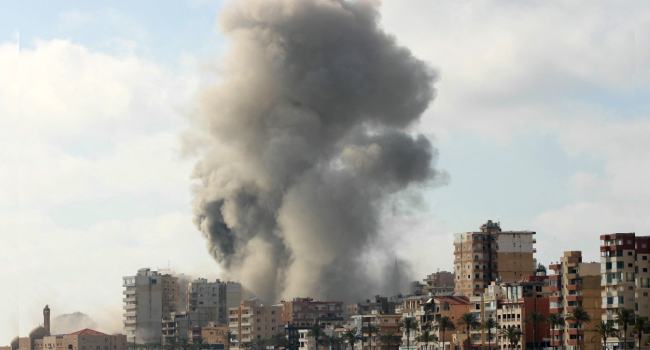
On Sunday, Israeli Prime Minister Benjamin Netanyahu’s office confirmed that Israeli forces had struck a militant command center in Beirut’s Dahiyeh district. The Israeli government said the attack was carried out in response to Hezbollah fire directed toward Israeli territory.
Although Israel and Hezbollah frequently exchange fire near the border, strikes on Beirut’s southern suburbs have been rare since mid-April. Israel had previously warned that it would target the area if Hezbollah launched attacks on northern Israel.
Iranian Parliament Speaker Mohammad Bagher Ghalibaf accused the United States of supporting the Beirut strike. He claimed Washington had given a “green light” to the operation.
Ghalibaf also criticized the ongoing US blockade of Iranian ports. He warned that American and Israeli assets across the region could become legitimate targets. According to him, Iran’s armed forces remain free to respond.
Ebrahim Rezaei, spokesperson for Iran’s parliamentary national security commission, also issued a strong warning. He promised a “decisive and painful response” to the latest developments.
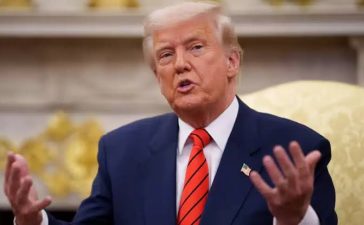
The growing tensions have complicated diplomatic negotiations between Tehran and Washington. In a previously recorded interview aired on Sunday, President Trump urged Israel to adopt a “more surgical” approach in Lebanon.
Meanwhile, ordinary Iranians say they are feeling the impact of the prolonged crisis. Rising prices and economic uncertainty have increased pressure on households across the country.
Elaheh, a 32-year-old fitness trainer from Ahvaz, said daily life had become extremely difficult. She described the situation as a struggle for survival amid worsening economic conditions.
Farhad, a 35-year-old chef, echoed similar concerns. He said many items that people could afford only a few months ago have now become out of reach.
Despite the rising tensions, diplomatic efforts continued over the weekend. Pakistan’s Interior Minister Mohsin Naqvi visited Tehran and delivered messages from Pakistan’s military leadership and government officials.
Pakistani Army Chief Syed Asim Munir has reportedly played a key role in mediation efforts between Iran and the United States. Lebanese Army Chief Rodolphe Haykal also traveled to Pakistan for talks that sources linked to the ongoing mediation process.
Iranian military adviser Mohsen Rezaei recently stated that negotiations with Washington had reached a deadlock. He called on President Trump to help break the impasse and urged the release of approximately $24 billion in frozen Iranian assets.
However, Trump rejected the idea of releasing the funds before an agreement is reached. He said any discussions about unfreezing assets would only come after Iran demonstrates positive behavior and progress in negotiations.
At the same time, military tensions remain high in the region. US Central Command reported that it destroyed two Iranian drones that posed a threat to international maritime traffic in the Strait of Hormuz.
The latest interception followed earlier US actions against Iranian drones and radar installations. In response, Tehran reportedly launched missiles toward US allies Bahrain and Kuwait on Saturday, further raising fears of a broader regional confrontation.