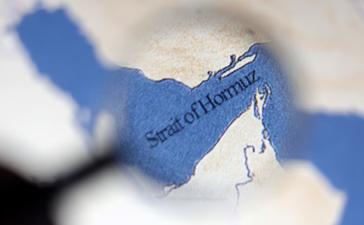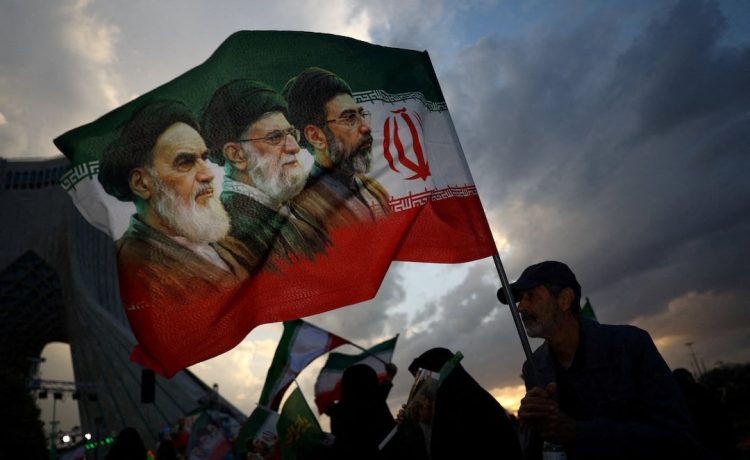
Iran has warned it will launch “long and painful strikes” against U.S. positions if Washington resumes attacks, escalating tensions as the strategic Strait of Hormuz remains shut.
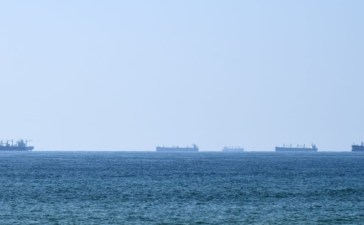
Two months into the conflict involving the United States and Israel, the closure of the vital shipping lane has disrupted roughly 20 percent of global oil and gas supplies, sending energy prices sharply higher and raising fears of a global economic slowdown.
Despite a ceasefire announced on April 8, efforts to resolve the crisis have stalled. Tehran continues to block the strait in response to a U.S. naval blockade targeting its oil exports—an economic lifeline for the country.
U.S. President Donald Trump was scheduled to receive a briefing on potential new military strikes aimed at pressuring Iran into negotiations, according to officials. Reports of the planned briefing initially pushed benchmark Brent crude prices above $126 per barrel before easing to around $114.
Iran’s Foreign Ministry spokesman, Esmaeil Baghaei, said expectations for a quick diplomatic breakthrough were unrealistic, stressing that negotiations would take time regardless of mediation efforts.
Meanwhile, security tensions remain high on the ground. Air defence systems were activated in parts of Tehran late Thursday, with reports of drones and surveillance aircraft being intercepted.
Regional concerns are also mounting. The United Arab Emirates has banned its citizens from travelling to Iran, Lebanon, and Iraq, urging those currently in those countries to return home immediately.
Speaking to reporters, Trump reiterated that Iran would not be allowed to acquire nuclear weapons and expressed confidence that gasoline prices would fall sharply once the conflict ends—an issue of political importance ahead of upcoming U.S. elections.
Amid the geopolitical strain, Trump said he had no objection to Iran participating in the next FIFA World Cup, following assurances from Gianni Infantino that the country would take part.
With diplomatic efforts stalled and military options still on the table, the crisis continues to pose a significant threat to global energy markets and regional stability.