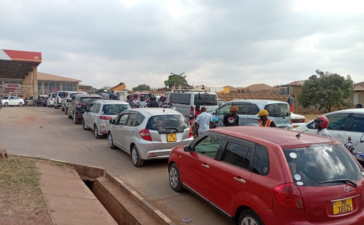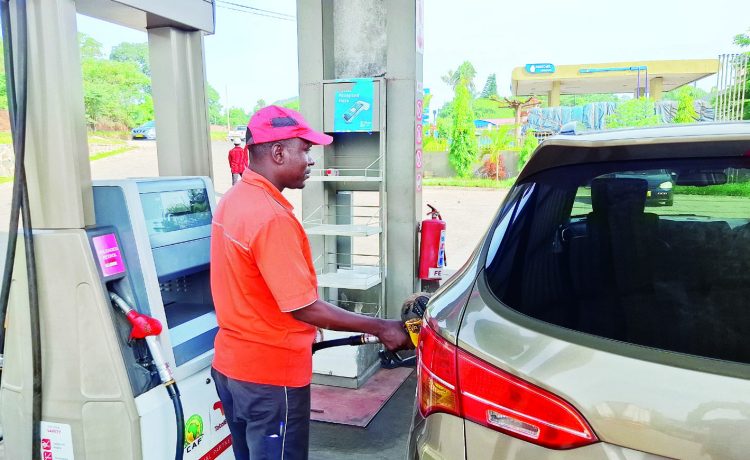
Fuel shortages are causing widespread disruption across Malawi, particularly in the capital Lilongwe, where long queues of trucks and private vehicles have formed outside filling stations as drivers wait hours—and in some cases days—for diesel.
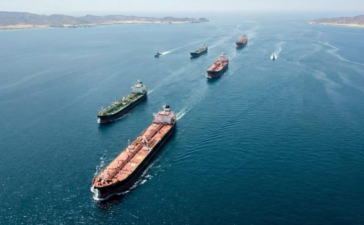
The crisis comes amid rising global oil prices and instability in key Middle Eastern shipping routes, which have tightened fuel supply and increased import costs for many developing economies.
The Transport Association of Malawi says the shortage is being driven by external market pressures, compounded by global supply chain disruptions that have pushed fuel prices higher and limited availability.
Transport operators warn that the scarcity is already slowing the movement of goods nationwide, threatening supply chains and increasing the risk of shortages in essential commodities.
For many drivers, the situation has become unsustainable. One motorist, Prince Mapemba, described spending days moving between queues without success.
“For the past three days I have been moving from one queue to another in search of fuel… sometimes after staying in the queue the whole day, the fuel comes only to be told around 3am that the fuel has run out,” he said.
Agriculture, which accounts for more than a third of Malawi’s economy and the bulk of its export earnings, is among the hardest-hit sectors.
Farmers are struggling to transport fertiliser and move produce to markets, raising concerns about food supply disruptions and price increases in the coming weeks.
The situation has raised broader economic concerns, with analysts warning that continued fuel scarcity could deepen inflationary pressures and slow economic activity.
With limited foreign exchange reserves and rising public debt, the government is reportedly considering selling about $30 million in gold reserves to stabilise fuel imports and ease shortages.
Authorities have yet to announce a long-term solution, but businesses are urging swift intervention to prevent further strain on supply chains and economic stability.