The Federal Government has clarified that the inclusion of the Bilateral Education Agreement (BEA) Scholarship in the 2026 national budget does not indicate a reversal of its earlier decision to discontinue new awards under the scheme.
In a statement issued on Thursday by the Director of Press and Public Relations, Boriowo Folasade, the Federal Ministry of Education Nigeria explained that the budgetary provision was carried over from the 2025 fiscal framework.
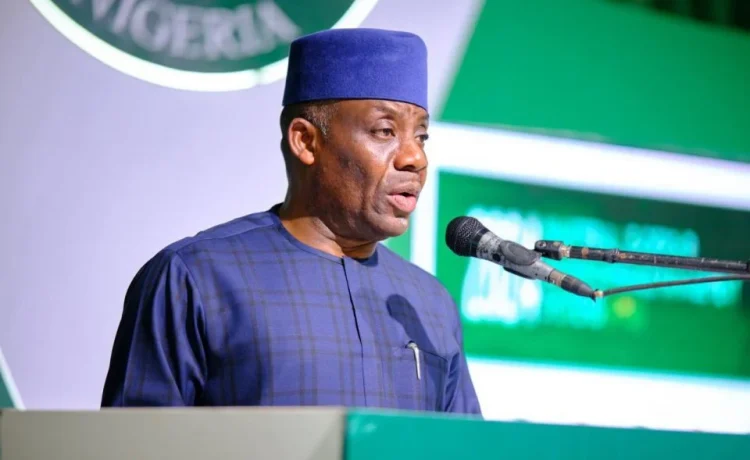
Minister of Education, Tunji Alausa, said the BEA allocation in the 2026 budget originated from the already approved 2025 budget, which preceded the suspension of new scholarship awards between April and May 2025.
“Due to budgetary procedures, such provisions cannot be removed retroactively,” he said, adding that the 2026 budget largely reflects a roll-over of existing expenditure lines.
The ministry stressed that the presence of the BEA allocation is “purely procedural” and does not signal the resumption of new scholarship awards. It added that any adjustments to the budget line would require formal approval through a virement process to align with current policy direction.
However, the government reaffirmed that all current BEA beneficiaries studying abroad will continue to receive full support.
The clarification follows earlier policy changes announced on April 30, when the Federal Government suspended new BEA scholarships, describing the programme as an unsustainable and inefficient use of public funds.
At the time, Alausa had raised concerns about weak oversight and monitoring of the scheme, noting that government funding for overseas studies was not matched with adequate tracking of academic performance.
The government said resources previously allocated to the BEA programme would be redirected to domestic scholarship initiatives aimed at benefiting a larger number of students within Nigeria.
The BEA programme was established through bilateral agreements with countries including China, Russia, Algeria, Hungary, Morocco, Egypt, and Serbia, enabling Nigerian students to pursue higher education abroad under government sponsorship.
The ministry urged the public to disregard what it described as misleading interpretations of the budget provision, reaffirming its commitment to transparency, accountability, and prudent management of public resources.