Durban Port Congestion Reaches Critical Level
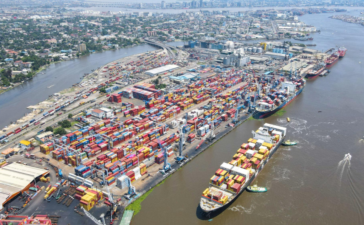
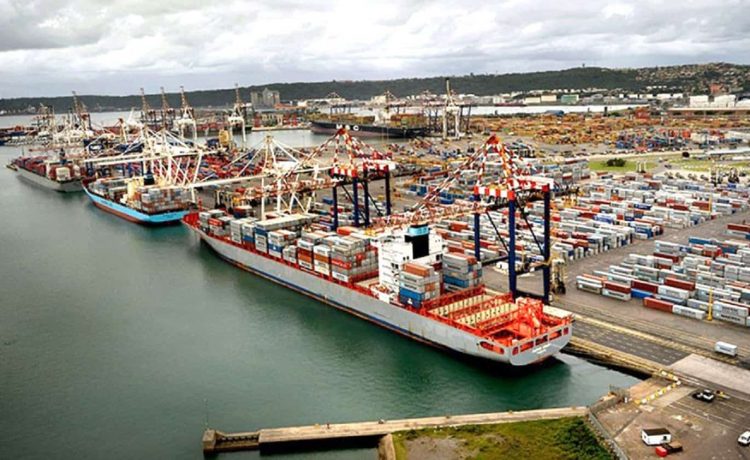
Severe congestion at South Africa’s Durban container terminal has intensified, creating growing concern about disruptions to cargo movement and the country’s wider supply chain.
The situation has become serious enough to attract intervention from the presidency, according to a maritime report published Monday.
Durban is one of South Africa’s most important maritime gateways.
A prolonged slowdown at the port can therefore affect importers, exporters, manufacturers, retailers and transport operators across the country.
Why Durban Matters
Ports are the connection point between international shipping and domestic economies.
When a major port becomes congested, vessels may wait longer for berths, containers can spend more time in terminals and trucks may face delays collecting or delivering cargo.
These disruptions create additional costs throughout the supply chain.
For importers, delayed containers can mean production interruptions or shortages.
For exporters, congestion can make it harder to meet international delivery deadlines.
Shipping lines can also face additional vessel operating costs when ships spend longer waiting for berths.
Congestion Creates a Chain Reaction
Port congestion rarely remains a problem inside the terminal.
Once terminal operations slow, the effects can spread to surrounding roads, warehouses, rail networks and distribution centres.
Truck operators may experience longer turnaround times.
Warehouses may have difficulty receiving or releasing containers.
Shipping companies may have to adjust schedules.
Cargo owners may incur additional storage and demurrage charges.
The longer the disruption continues, the greater the economic impact can become.
Government Pressure Intensifies
The involvement of South Africa’s presidency demonstrates the seriousness of the situation.
Port performance has become an important economic issue because South Africa relies heavily on maritime trade.
Improving port efficiency is therefore not simply a transport-sector objective.
It is part of improving national competitiveness.
Businesses require predictable logistics systems.
If cargo cannot move efficiently through ports, companies face higher costs compared with competitors operating through more efficient gateways.
Infrastructure and Operational Efficiency
Durban’s problems also highlight the broader challenges confronting many ports.
Growing vessel sizes require deeper channels, larger berths and more sophisticated cargo-handling equipment.
At the same time, ports need reliable rail and road connections to move containers inland.
Digitalisation is another important component.
Ports increasingly rely on digital platforms to coordinate shipping lines, customs agencies, terminal operators, truckers and cargo owners.
Better data sharing can improve planning and reduce unnecessary delays.
South Africa Faces a Strategic Test
Resolving the current Durban congestion will require more than short-term measures.
Authorities and port operators need to identify the operational bottlenecks responsible for the current backlog.
They also need to ensure that corrective measures improve resilience rather than simply shifting congestion from one part of the supply chain to another.
For South Africa, the stakes are considerable.
Durban is a critical gateway for international commerce, and sustained congestion can undermine confidence among shipping lines and cargo owners.
The crisis therefore presents an opportunity to accelerate reforms.
Better infrastructure, stronger coordination, improved terminal productivity and more reliable inland transport could significantly strengthen the port’s performance.
The Wider African Lesson
Durban’s experience also carries lessons for other African ports.
As African economies expand their participation in global trade, efficient maritime gateways will become increasingly important.
Ports must be able to handle higher cargo volumes while maintaining predictable service levels.
The current congestion at Durban demonstrates what can happen when port capacity, operations and supply-chain demand fall out of balance.
Finding a sustainable solution will be essential not only for Durban but for South Africa’s broader economic competitiveness.