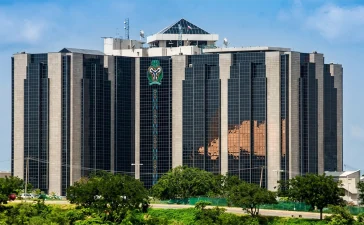
The Central Bank of Nigeria (CBN) returned approximately N3.20 trillion to investors in October 2026 as repayments on matured securities exceeded funds raised through fresh government securities auctions.
The development represents a reversal of the previous month’s liquidity position, when the apex bank withdrew substantial funds through its monetary policy operations.
According to an analysis of auction and maturity data, the CBN and the Debt Management Office repaid investors approximately N10.69 trillion during October, compared with N7.49 trillion raised through fresh Open Market Operations (OMO) and Nigerian Treasury Bills (NTBs).
The difference meant that more money was returned to investors than collected through new securities during the period.
The figures highlight changing liquidity conditions within Nigeria’s financial system and could influence interest rates, investment decisions and banking sector operations.
October repayments exceed fresh auctions
The October figures showed that repayments on matured securities reached approximately N10.69 trillion.
This included about N6.71 trillion in OMO maturities and approximately N3.99 trillion in Treasury Bills repayments.
Against these obligations, OMO auctions raised approximately N6.18 trillion, while Treasury Bills sales generated about N1.31 trillion.
The resulting difference created an estimated net repayment surplus of N3.20 trillion.
The development contrasts with September, when the CBN absorbed approximately N6.62 trillion through OMO operations alone.
The change suggests that the pace of liquidity withdrawal moderated significantly during October.
CBN and DMO accept fewer bids
Another important development during the month was the decision to allot less than the total amount investors offered at several securities auctions.
At the October 28 Treasury Bills auction, the DMO allotted only N71.16 billion from subscriptions of approximately N1.91 trillion.
This meant that most of the bids submitted by investors were not accepted.
The final two auctions during the month raised approximately N316.10 billion against subscriptions of about N4.19 trillion.
The selective acceptance of bids contributed to the difference between maturing obligations and new funds raised.
Banking system liquidity increases
The higher repayments coincided with substantial deposits by commercial banks at the CBN’s Standing Deposit Facility.
The facility allows banks to place excess funds with the apex bank.
According to the reported figures, balances at the facility reached approximately N8.41 trillion on October 28 before declining to N7.63 trillion on October 29 and N7.19 trillion on October 30.
The figures suggest that substantial funds remained within the banking system during the period.
However, higher liquidity does not automatically mean that banks will increase lending to businesses and individuals.
Banks still consider credit risks, interest rates, capital requirements and the ability of borrowers to repay loans.
Implications for investors
The changing liquidity position could influence returns on short-term government securities.
The reported decline in some auction yields suggests that investors may receive lower returns on newly purchased securities compared with earlier periods.
For existing fixed-rate securities, falling market yields can make previously issued instruments more attractive.
Investors will therefore need to consider the relationship between inflation, interest rates and the returns available from different investment options.
What the development means for Nigeria’s economy
Liquidity management remains one of the major responsibilities of the CBN.
The apex bank uses monetary policy instruments to influence financial conditions and support its broader objectives, including price stability.
Excessive liquidity can create inflationary pressure if it contributes to increased demand without corresponding growth in the supply of goods and services.
On the other hand, insufficient liquidity can make it more difficult for businesses to access financing and meet their operating requirements.
The October figures should therefore be interpreted carefully.
The N3.20 trillion represents the difference between specified security maturities and fresh allotments. It is not a complete measure of the amount of money entering the Nigerian economy.
Government spending, foreign exchange transactions and other financial activities also influence overall liquidity conditions.
For banks, investors and businesses, subsequent CBN auctions and monetary policy decisions will remain important indicators of the direction of the financial system.