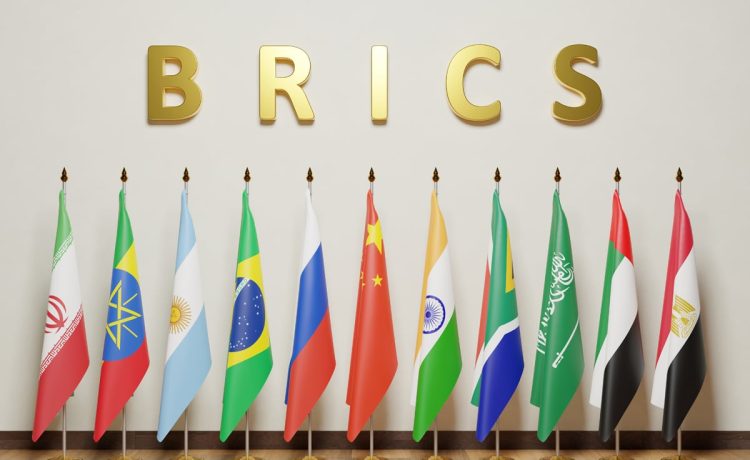
Education ministers from the BRICS member countries have reaffirmed their commitment to strengthening academic cooperation, research and innovation as they gathered for the 13th BRICS Education Ministers’ Meeting in Bhubaneswar, India.
The meeting brought together representatives from Brazil, Russia, India, China, South Africa and the bloc’s newer members to discuss strategies for expanding educational partnerships and improving access to quality learning across the grouping.
A major focus of the discussions was enhancing collaboration in higher education through student and faculty exchanges, joint research programmes and the mutual recognition of academic qualifications. The ministers also explored ways to strengthen digital learning, vocational education and skills development to better prepare young people for an evolving global economy.
Officials noted that education remains a key pillar of sustainable development and economic growth. They emphasised the importance of equipping students with the knowledge and practical skills required to drive innovation, entrepreneurship and technological advancement within BRICS economies.
Another key issue on the agenda was the promotion of research collaboration among universities and academic institutions. By sharing expertise and resources, member countries hope to accelerate scientific discoveries and develop solutions to common challenges, including climate change, healthcare, food security and digital transformation.
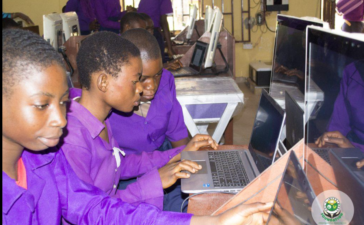
The ministers also highlighted the growing role of technology in education, encouraging the adoption of digital learning platforms and artificial intelligence to improve teaching methods and expand access to quality education, particularly in underserved communities.
For South Africa, the meeting presents an opportunity to strengthen partnerships with leading universities and research institutions across the BRICS bloc. Increased collaboration could enhance academic exchange programmes, attract research funding and create more opportunities for students and scholars.
The discussions come at a time when many countries are investing heavily in education as a means of building competitive economies and developing a skilled workforce. BRICS nations collectively represent a significant share of the global population, making educational cooperation within the bloc increasingly important.
At the conclusion of the meeting, ministers reaffirmed their commitment to implementing joint initiatives that support academic excellence, innovation and inclusive education. They also pledged to continue working together to improve educational standards and expand opportunities for learners across member states.
Observers believe that stronger educational partnerships among BRICS countries will not only enhance knowledge sharing but also contribute to sustainable development and long-term economic prosperity.
As global education continues to evolve, the outcomes of the meeting are expected to strengthen collaboration among BRICS members and position the bloc as a major force in international education and research.