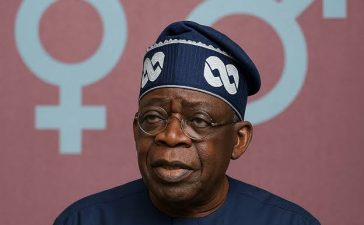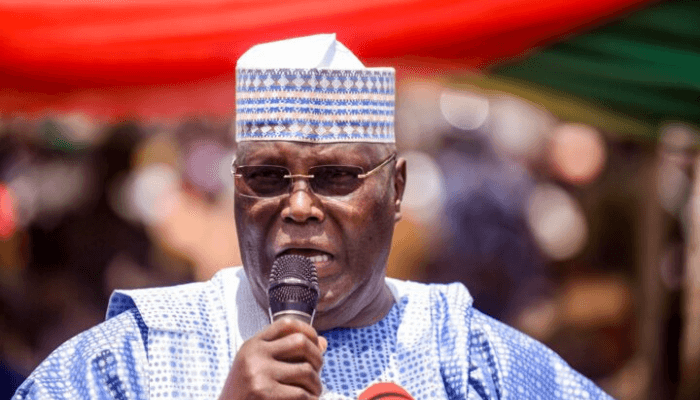
Former Vice President Atiku Abubakar has criticised the economic policies of President Bola Tinubu’s administration, saying Nigerian workers are bearing the brunt of reforms that have intensified hardship across the country.
In a Workers’ Day statement shared on his X handle, Atiku said the 2026 commemoration should not be seen as a celebration but a moment of reflection on worsening conditions for workers.
“This year’s Workers’ Day is not a moment of joy for millions of Nigerians. It is a painful reminder of broken promises and a growing burden placed on the shoulders of those who keep this country running,” he said.
Atiku specifically addressed the removal of fuel subsidy, describing it as necessary but poorly implemented.
“Let me be clear: the removal of fuel subsidy was inevitable and long overdue. However, its implementation by this administration was hasty, unstructured, and devoid of the necessary safeguards to protect ordinary Nigerians,” he stated.
He argued that the policy’s immediate impact triggered sharp increases in transportation, food prices, and basic goods, without corresponding wage adjustments or social support systems.
“The Nigerian worker has been left to absorb shocks that should have been mitigated by responsible governance,” he added.
Atiku also questioned the management of savings from the subsidy removal, noting that many citizens have yet to see tangible benefits.
“Trillions of naira have reportedly been saved, yet the average Nigerian cannot point to a single aspect of their lives that has improved as a result,” he said, raising concerns about transparency and accountability.
He urged the Federal Government to adopt more people-centred economic policies, including wage reviews, targeted social interventions, and stronger investment in healthcare and education.
“Economic reforms must be people-centred. Growth that does not translate into improved living conditions for workers is neither inclusive nor sustainable,” he said.
Reaffirming his solidarity with workers, Atiku stressed that resilience should not be mistaken for acceptance of hardship.
“Their resilience is remarkable, but resilience should not be mistaken for endurance of endless hardship. The time to act is now,” he added.
Workers’ Day, observed annually on May 1, continues to serve as a platform in Nigeria for highlighting labour concerns and calls for improved welfare amid ongoing economic pressures.