
Rwanda’s Musanze Caves are offering visitors a different perspective on the country’s natural and historical attractions, combining geological features, wildlife habitats and a complex human history beneath the landscape of the Northern Province.
Located near the town of Musanze, the caves extend for approximately two kilometres and provide an underground exploration experience beyond the region’s better-known mountain gorilla trekking activities.
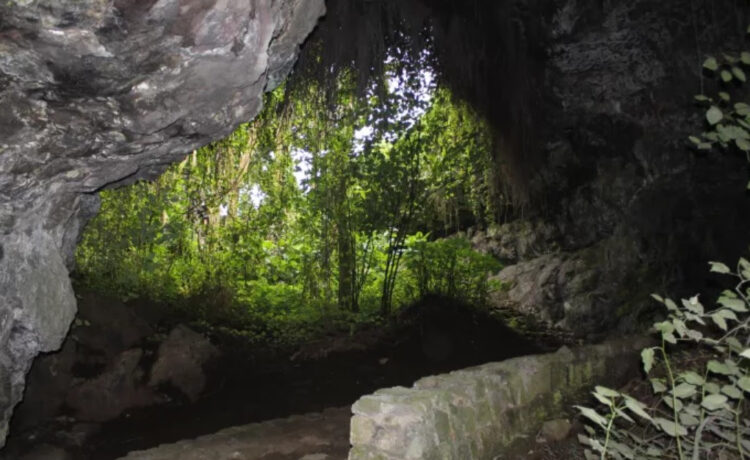
The cave system was formed through ancient volcanic activity, as lava drained away from cooler outer layers, leaving behind extensive underground passages.
It features 31 entrances, many of which were created when sections of the cave ceilings collapsed. These openings allow natural shafts of sunlight to penetrate the dark basalt chambers, creating striking contrasts between illuminated sections and deeper underground spaces.
The caves also provide shelter for a sizeable colony of bats, adding to their ecological significance.
However, Musanze Caves are not only notable for their geological and natural features. They also carry a difficult historical legacy, having served as a refuge for people during periods of conflict and becoming the site of a massacre during the 1994 genocide against the Tutsi.
This history adds another dimension to visits, placing the natural attraction within the wider historical experience of the area and Rwanda.
Access to the caves is restricted to guided visits, which take approximately two and a half hours. The guided arrangement allows visitors to explore the underground network while learning about its geological formation and historical significance.
The caves represent an additional tourism asset for Rwanda, offering opportunities to diversify visitor experiences in a region widely associated with mountain gorilla trekking.