Kenya has discharged its last Ebola patient, marking a significant achievement in the country’s efforts to contain the outbreak and prevent further transmission of the deadly disease.
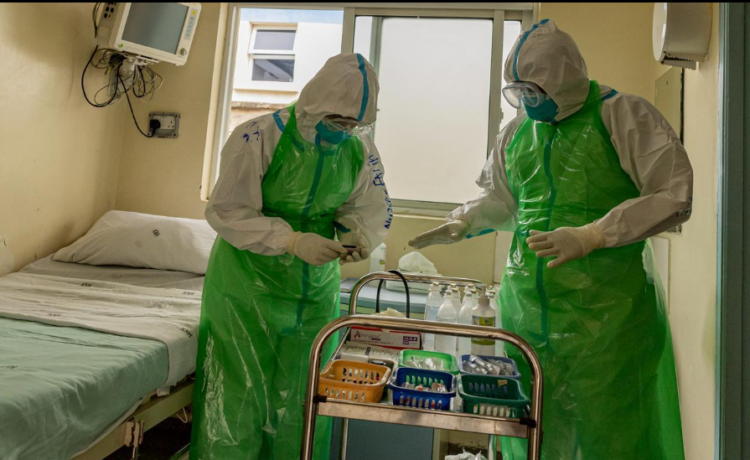
The announcement was made on November 11 by Health Cabinet Secretary Aden Duale, who confirmed that the final patient had recovered and was released from treatment. The remaining 11 contacts under monitoring also completed their observation period and returned home in good health.
The development means that Kenya currently has no Ebola patients receiving treatment and no contacts remaining in quarantine.
According to the World Health Organisation (WHO), the country has now entered a 42-day countdown, which began on November 12. If no new infections are recorded during this period, Kenya is expected to be officially declared free of Ebola on December 23, 2026.
The 42-day period represents twice the longest known incubation period of the virus. It is an important stage in determining whether transmission has been successfully interrupted.
Kenya confirmed its first case of Bundibugyo virus disease on October 6, 2026. The initial patient had travelled from the Democratic Republic of Congo through Uganda before developing symptoms.
Following confirmation of the case, health authorities began contact tracing and identified 135 people who had been in close contact with the infected individual. Those considered at risk were monitored daily to identify possible infections as early as possible.
Eight additional people subsequently tested positive. They included four family members of the initial patient and four healthcare workers who had provided care before Ebola was suspected.
The authorities said all the affected individuals were already under quarantine when they developed symptoms, helping prevent further community transmission.
The final case was confirmed on October 19. No additional infections have been reported since then.
Kenya’s health authorities credited the coordinated response of medical workers, laboratories, contact tracing teams, county governments and international partners for containing the outbreak.
The WHO also commended the country’s transparency, early reporting and cooperation with public health organisations.
Despite the positive development, officials have warned that the country cannot immediately abandon its preventive measures. Rapid response teams will remain active across counties, while suspected cases will continue to be investigated.
Health workers will also continue monitoring survivors and supporting their recovery.
The outbreak recorded nine confirmed cases, including two deaths, according to the health authorities’ account. Seven patients recovered.
The situation in Kenya comes as the Democratic Republic of Congo continues to face a much larger Ebola outbreak, with nearly 11,000 confirmed cases and more than 5,300 deaths reported by the WHO as of November 11.
The continuing outbreak in neighbouring countries makes surveillance and preparedness particularly important for Kenya and other countries in the region.
The development also carries economic significance because Ebola outbreaks can affect tourism, travel, trade and public confidence. Kenya’s government has emphasised that the country remains open to business, tourism and normal movement, with no general restrictions on public gatherings.
The WHO has advised against blanket travel and trade restrictions on countries affected by Ebola, arguing that evidence-based health measures are more effective and help countries maintain transparency during outbreaks.
For Kenya, the next 42 days will be crucial. The country has achieved an important milestone by discharging its final patient, but its official Ebola-free status will depend on continued vigilance and the absence of new infections.