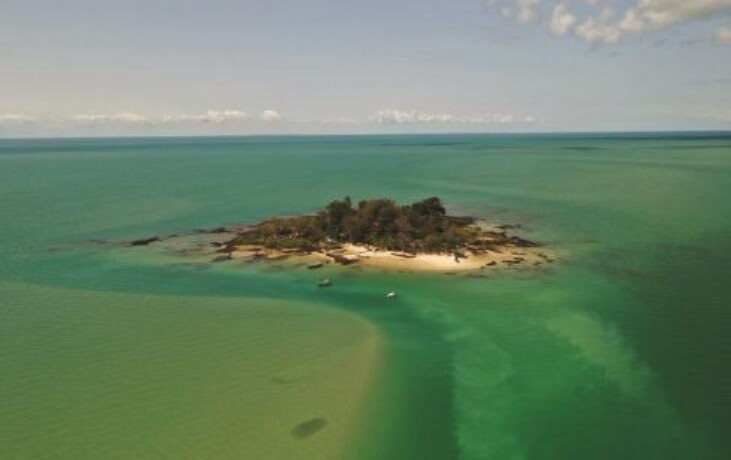
The Bijagós Archipelago off the coast of Guinea-Bissau is attracting growing attention for its combination of rich biodiversity, coastal landscapes and distinctive cultural traditions, positioning the island group as one of West Africa’s important ecological and heritage destinations.
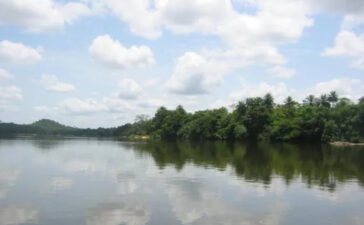
Comprising 88 islands and islets, the archipelago features sandy beaches, mangrove forests, tidal waterways and lagoons that provide habitats for a wide range of marine and bird species.
Its waters support sea turtles, dolphins and manatees, while the surrounding wetlands serve as important feeding and resting grounds for migratory birds travelling between continents.
Previous ecological surveys have recorded more than 870,000 shorebirds in the archipelago, highlighting its significance as a major site for migratory bird populations.
Beyond its natural attractions, the islands are also known for their traditional communities and cultural practices, which remain closely connected to the surrounding marine and coastal environment.
The archipelago’s international conservation profile has strengthened over the years. UNESCO designated the Bijagós as a Biosphere Reserve in 1996 before adding the site to its World Heritage List in 2025 in recognition of its coastal and marine ecosystems.
The international recognition reflects the ecological value of the islands and the need to protect their habitats, wildlife and traditional ways of life.
However, the environment remains vulnerable to increasing human pressure, particularly fishing activity and changes in how natural resources are used.
Growing demands on marine resources can threaten wildlife habitats and disrupt the ecological balance that supports the islands’ biodiversity.
The challenge for Guinea-Bissau is therefore to balance the economic opportunities associated with tourism and resource use with the need to preserve the archipelago’s fragile ecosystems.
Stronger conservation measures, sustainable fishing practices and community participation will be important in protecting the islands over the long term.
The Bijagós Archipelago offers significant potential for nature-based tourism, but its future as an ecological destination will depend on maintaining the natural assets that make it distinctive.
Its combination of wildlife, wetlands, beaches and cultural heritage provides an opportunity to strengthen Guinea-Bissau’s tourism profile while supporting wider efforts to conserve West Africa’s coastal biodiversity.