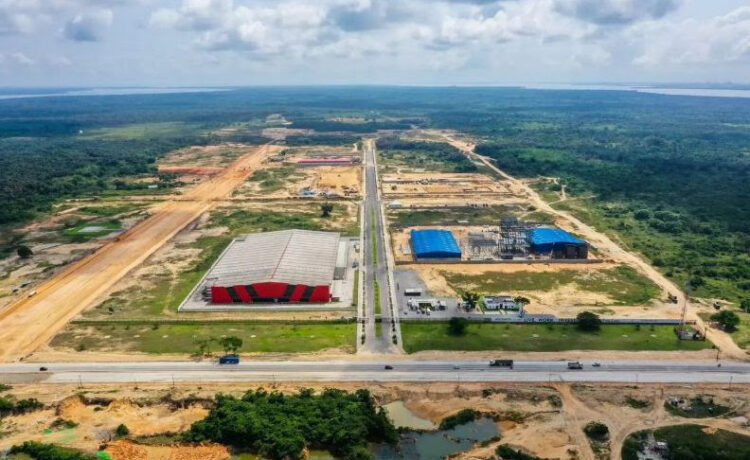
Algeria has completed construction of a 200-hectare free trade zone near its border with Mauritania, marking a major step in its efforts to expand commercial relations with West Africa and strengthen its access to regional markets.
The facility is designed to support cross-border trade by providing infrastructure for warehousing, exhibitions, customs processing, banking, insurance and goods inspection.
The development forms part of Algeria’s broader economic diversification strategy, which seeks to increase non-oil exports, strengthen regional commercial partnerships and improve the country’s participation in intra-African trade.
As part of the initiative, Algiers is also financing the construction of an 840-kilometre road linking Tindouf in southwestern Algeria to Zouerate in Mauritania.
The road project is expected to improve transportation links between the two countries, facilitate the movement of goods and provide Algerian businesses with improved access to markets across West Africa.
Algeria is also pursuing customs cooperation and preferential trade arrangements with Mauritania to reduce administrative barriers and encourage greater cross-border commercial activity.
The initiatives reflect a growing recognition by Algerian authorities that stronger regional connectivity and trade integration are essential to expanding the country’s economic influence beyond its traditional export markets.
However, Algeria’s ambition faces significant structural challenges. According to Afreximbank estimates, intra-African trade accounted for less than five per cent of the country’s total foreign trade in 2025, while hydrocarbons continue to generate more than 90 per cent of its export revenue.
The figures highlight the extent of Algeria’s dependence on oil and gas exports and the limited contribution of regional trade to its external commercial activities.
The new trade zone is therefore expected to serve as a test of the country’s ability to translate infrastructure investment and regional diplomacy into tangible growth in non-hydrocarbon exports.
Its success will depend on the availability of reliable logistics, competitive trade procedures, private sector participation and sustained demand for Algerian products across African markets.
For West Africa, the initiative could create additional opportunities for trade diversification, improved regional connectivity and stronger commercial relationships with North African economies.