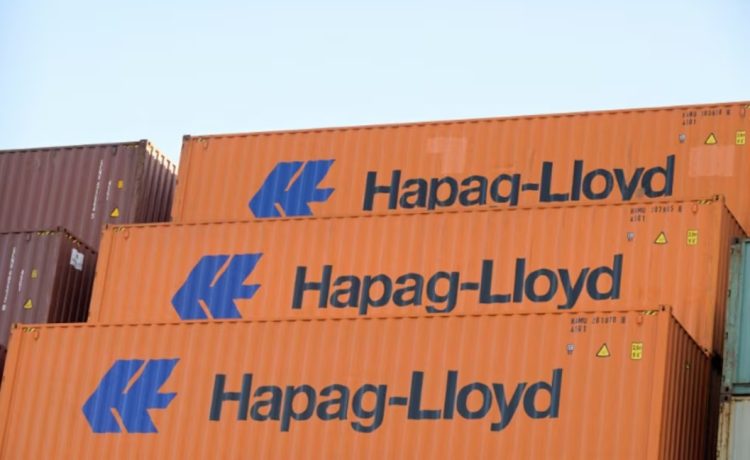
Shipping giants Maersk and Hapag-Lloyd have announced plans to resume four additional container services through the Suez Canal, marking another step toward the gradual return of major shipping operations to the key Asia-Europe route.
The companies said the four services — AE5, AE11, AE12 and ME2 — will return to the Suez Canal under their Gemini cooperation network. The decision is expected to shorten sailing times between Asia and Europe compared with the longer route around Africa’s Cape of Good Hope.
The Suez Canal has faced reduced traffic from major shipping companies since attacks on commercial vessels in the Red Sea created serious security concerns. Many shipping lines responded by diverting vessels around the Cape of Good Hope, adding considerable distance, fuel consumption and time to journeys between Asia and Europe.
Maersk and Hapag-Lloyd had already begun gradually restoring some services through the Red Sea and Suez Canal in recent months. Monday’s announcement represents a further expansion of that return.
The companies said the decision is based on their assessment of the operating environment, but they remain cautious about security conditions in the Middle East. Their future routing decisions will continue to depend on developments in the region.
The return to the Suez Canal could have a significant effect on global shipping because the canal provides the shortest maritime connection between the Mediterranean and the Indian Ocean. Using the route can reduce sailing distances compared with travelling around southern Africa.
For cargo owners, a shorter route could mean faster delivery times and potentially lower transportation costs. It could also improve the efficiency of container networks serving Europe, Asia, the Middle East and parts of Africa.
However, the security situation remains a major concern. The Bab el-Mandeb Strait, which connects the Red Sea with the Gulf of Aden, is an important maritime chokepoint for international trade. Continued threats in the area could force shipping companies to reconsider their routes if conditions deteriorate.
The development also comes as shipping markets continue to deal with higher fuel and insurance costs caused by geopolitical tensions. Recent disruptions around Middle Eastern waterways have contributed to increased uncertainty for ship operators and global supply chains.
For the global maritime industry, the expansion of Suez Canal services by Maersk and Hapag-Lloyd is therefore being closely watched. If security conditions remain stable, more shipping companies could gradually increase their use of the Red Sea route.
For now, the two companies are proceeding carefully, balancing the commercial benefits of the shorter Suez route against the safety risks facing vessels and crews in the region.