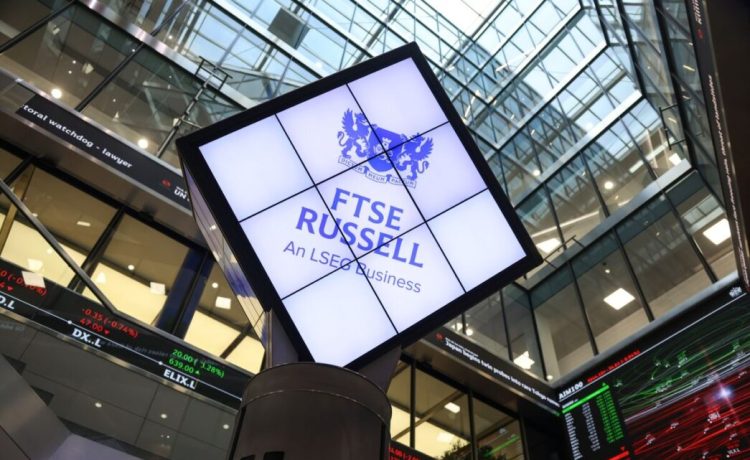
Nigeria Set for Return to Frontier Market Status
Ten major Nigerian listed companies have been added to FTSE Russell’s FTSE Frontier Index Series.
The development paves the way for Nigeria’s official return to global Frontier Market status on September 21, 2026.
The inclusion was confirmed in FTSE Russell’s September Index Review. It follows the index provider’s decision to move Nigeria from its previous classification as an “Unclassified Market.”
The development is expected to improve Nigeria’s visibility among international investors. It could also create new opportunities for listed companies seeking foreign capital.
Ten Nigerian Companies Included
The companies have been classified by FTSE Russell as “Newly Eligible” large-cap stocks.
They are:
- Aradel Holdings
- Dangote Cement
- First HoldCo
- Guaranty Trust Holding Company
- MTN Nigeria Communications
- Nestlé Nigeria
- Nigerian Breweries
- Presco
- Stanbic IBTC Holdings
- Zenith Bank
The inclusion places some of Nigeria’s largest listed companies within a major international investment benchmark.
It also gives global fund managers a clearer framework for tracking the performance of Nigerian equities.
Why the FTSE Russell Index Matters
The FTSE Frontier Index Series covers large-, mid- and small-cap companies across emerging and frontier markets.
The index is used by international fund managers to monitor market performance. It also supports the development of investment products linked to frontier-market equities.
For Nigeria, re-entry into the index could improve the country’s appeal to institutional investors.
It may also encourage funds that track FTSE Russell benchmarks to review their exposure to Nigerian companies.
However, the actual impact will depend on investor confidence, market liquidity and the ability of foreign investors to move capital in and out of the country.
Nigeria’s Three-Year Exclusion
Nigeria’s return marks the end of a three-year exclusion period.
In September 2023, FTSE Russell downgraded Nigeria to “Unclassified” status. The decision followed concerns about severe foreign exchange illiquidity and delays faced by foreign institutional investors when repatriating capital and dividend earnings.
The classification affected Nigeria’s visibility within international investment benchmarks.
It also reflected broader concerns about the operating environment for foreign investors in the Nigerian capital market.
Improvements in Foreign Exchange Liquidity
The recovery process began in October 2025.
At the time, FTSE Russell placed Nigeria on its Watch List after identifying improvements in foreign exchange liquidity and capital repatriation mechanisms.
The latest inclusion suggests that the country has made further progress in addressing some of the challenges that previously affected its market classification.
Nevertheless, maintaining investor confidence will require continued improvements in foreign exchange access, market transparency and the settlement of investment proceeds.
What the Development Means for Investors
The return to the Frontier Market Index Series is a positive development for Nigeria’s capital market.
It could increase the country’s exposure to international investment funds and improve the profile of Nigerian companies among global asset managers.
The inclusion may also support efforts to deepen the local stock market and attract long-term capital.
However, the development should not be interpreted as an automatic guarantee of increased foreign investment.
Investors will continue to assess Nigeria’s economic outlook, currency stability, corporate performance and market liquidity before making investment decisions.
Outlook for the Nigerian Capital Market
Nigeria’s reclassification comes as the country seeks to strengthen its capital market and attract more international investment.
The inclusion of the 10 companies provides an opportunity to rebuild confidence in Nigerian equities.
It also places greater responsibility on regulators, market operators and listed companies to maintain transparency and improve the overall investment environment.
For Nigeria, the immediate priority will be to sustain the reforms that supported its return to the global Frontier Market framework.