More than six decades after apartheid police opened fire on protesters in Sharpeville, South Africa, survivors and relatives of those killed have launched legal action against the South African government, seeking compensation and justice. The legal action was announced on Thursday, September 3, 2026.
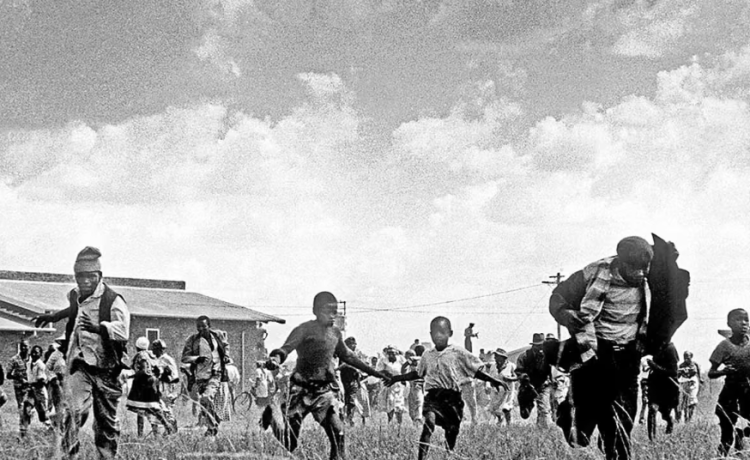
The Sharpeville Massacre happened on March 21, 1960, when police opened fire on a large crowd protesting against apartheid-era pass laws. Official records recorded 69 deaths and at least 180 injuries, while research cited by the claimants puts the death toll at 91 and the number injured at 238.
Survivors challenge apartheid-era law
The survivors and families are challenging the Indemnity Act of 1961, a law introduced by the former apartheid government that protected state officials from civil and criminal claims arising from the massacre.
The law remains in force today and has prevented victims and their relatives from pursuing compensation through the courts. The applicants want the law declared unconstitutional and removed so that their claims can proceed.
Victims say the suffering continues
One of the lead claimants, Abram Mofokeng, was 20 years old when he was shot during the massacre. He survived, but a bullet remains lodged in his back more than 66 years later.
Two other lead claimants, Paulina Mathinye and Ishmael Poho, lost their fathers during the massacre when they were children. Their families say the deaths caused decades of emotional and financial hardship.
More than 70 survivors and relatives have expressed interest in supporting or joining the legal action. The claimants are seeking reparations of about 500,000 rand each.
A wider fight for apartheid reparations
The case is also connected to South Africa’s broader struggle to address unresolved crimes committed during apartheid. The Truth and Reconciliation Commission (TRC) recommended reparations for victims, but many survivors say the payments they received were inadequate and that many victims were left without meaningful compensation.
The legal action therefore represents more than a compensation claim. For the survivors and families, it is an attempt to obtain recognition and justice for an event that remains one of the most important moments in South Africa’s anti-apartheid history.