Subsidy Debate Returns to Nigeria’s Political Centre
The debate over petrol subsidy removal is increasingly emerging as one of the major political issues that could shape the contest ahead of Nigeria’s 2027 general elections.
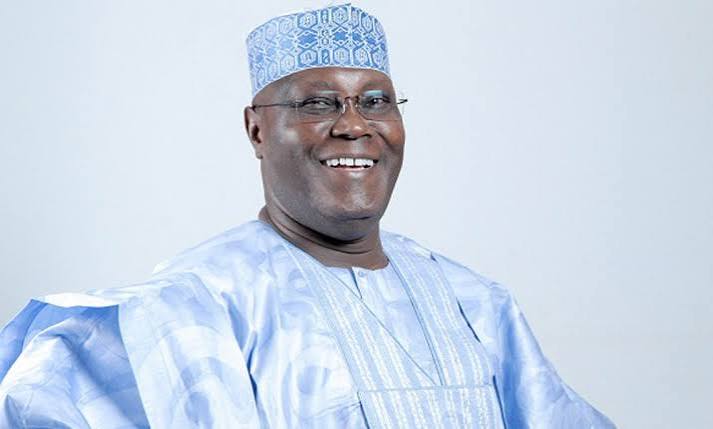
Former Vice President Atiku Abubakar is seeking to build a political argument around the economic hardship associated with the policy, particularly in northern Nigeria, where concerns over the rising cost of living remain politically significant.
The strategy places the opposition figure on one side of a debate that has continued since President Bola Tinubu announced the end of the petrol subsidy in May 2023.
The Tinubu administration has consistently defended the policy as a necessary economic reform.
Government officials have argued that the previous subsidy regime placed enormous pressure on public finances and encouraged inefficiency and corruption.
However, the policy has also remained controversial because of its impact on transportation costs and household spending.
For Atiku and other opposition voices, the public dissatisfaction surrounding the cost of living provides an opportunity to challenge the ruling party’s economic record.
The political question is whether that dissatisfaction can be converted into electoral support ahead of 2027.
Atiku’s Subsidy Position Faces Political Scrutiny
The subsidy debate has also created challenges for Atiku’s political camp.
Different explanations surrounding the former vice president’s proposed approach to petrol subsidies have generated questions about the exact details of his position.
Atiku and members of his political camp have faced pressure to clarify how any form of targeted subsidy would operate and how such a policy would be financed.
The Federal Government and supporters of the ruling party have used the disagreements to question the consistency of the opposition’s economic message.
However, the wider political argument goes beyond the technical details of subsidy policy.
The issue has continued to resonate because many Nigerians have experienced increased living costs since the beginning of the reform programme.
For the opposition, the strategy is to connect these economic concerns to a broader criticism of the government’s management of the economy.
For the administration, the challenge is to convince Nigerians that the short-term pain of economic reform will eventually lead to stronger and more sustainable growth.
The battle is therefore becoming one of competing economic narratives.
Northern Nigeria Could Become Major Political Battleground
Northern Nigeria is expected to remain one of the most important battlegrounds ahead of the 2027 election.
The region has historically played a major role in determining the outcome of presidential elections because of its large voting population.
Any opposition strategy aimed at challenging President Tinubu’s re-election prospects will therefore need to make significant inroads across the region.
The economic impact of fuel prices, transportation costs and inflation could become important political issues.
Atiku appears to be betting that dissatisfaction over these concerns can create an opening for the opposition.
However, the political landscape remains complex.
President Tinubu and the All Progressives Congress retain the advantages of incumbency and an extensive political structure across several parts of the country.
The administration is also expected to continue highlighting the fiscal benefits of economic reforms and the expansion of domestic refining capacity.
The political contest will therefore depend not only on public dissatisfaction but also on whether opposition parties can present clear and credible alternatives.
Government Seeks to Defend Economic Reforms
The Tinubu administration has consistently argued that the removal of petrol subsidies was necessary to prevent further pressure on public finances.
Government supporters maintain that the subsidy system consumed resources that could be redirected towards infrastructure and social development.
They have also argued that economic reforms are designed to address deeper structural weaknesses.
However, the administration faces the continuing challenge of ensuring that Nigerians experience the benefits of these policies.
Economic growth figures and improved government finances may not be enough to shape public opinion if households continue to struggle with high living costs.
This creates a significant political challenge.
The government must demonstrate that reforms can eventually translate into improved living standards.
Opposition parties, meanwhile, will continue to focus on the immediate hardship faced by households.
The debate over subsidies is therefore likely to remain part of a much larger argument about the direction of Nigeria’s economy.
2027 Political Contest Begins to Take Shape
Although the 2027 elections are still ahead, the political arguments shaping the campaign are already becoming clearer.
The economy is expected to remain one of the most important issues.
Fuel prices, inflation, transportation costs, exchange rates and employment will all influence how voters assess the performance of the current administration.
For Atiku, the subsidy issue represents a potential political opportunity.
By focusing on the economic consequences of the policy, he may seek to build support among voters who believe that the reforms have increased hardship.
However, the success of such a strategy will depend on more than criticism of the current administration.
The opposition will also need to present a coherent economic alternative capable of convincing voters that it can deliver better results.
President Tinubu and the APC, on the other hand, will need to defend their reform agenda while demonstrating measurable improvements in the lives of Nigerians.
As 2027 approaches, the political battle is increasingly likely to move beyond personalities.
Economic policy, household welfare and the ability of competing candidates to offer credible solutions could become central to the contest.
For now, Atiku’s renewed focus on the backlash against subsidy removal signals that the economy is already becoming one of the most important political battlegrounds on the road to 2027.