The Federal Government says reforms in public procurement have generated more than N1.5 trillion in savings over the past 18 months.
The savings were attributed to tighter price benchmarking, digital compliance systems and stricter procurement controls across government institutions.
The development highlights the growing importance of technology in Nigeria’s efforts to improve public spending.
With government facing pressure to finance infrastructure and social programmes while managing fiscal constraints, reducing unnecessary expenditure could provide additional room for development spending.
How procurement reforms are changing spending
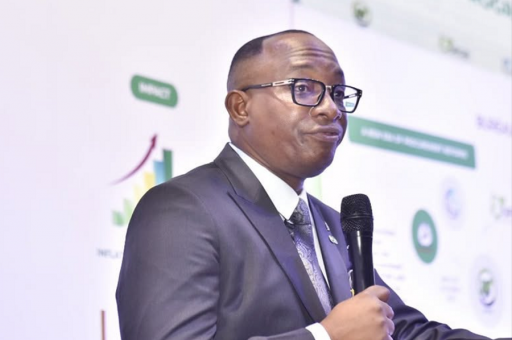
The Director-General of the Bureau of Public Procurement, Adebowale Adedokun, disclosed the savings during a capacity development workshop organised by the Nigeria Deposit Insurance Corporation in collaboration with the BPP.
The programme focused on transparency, compliance and efficiency in public procurement.
According to the BPP, the reforms are designed to address procurement inflation and close procedural loopholes.
Price benchmarking is particularly important.
Without reliable benchmarks, government agencies may pay significantly different prices for similar goods and services.
Digital controls can also make it easier to identify irregularities and monitor procurement processes.
Why the savings matter
The reported N1.5 trillion represents more than a headline figure.
When government reduces the amount spent on contracts without reducing the quality or quantity of services delivered, the difference can potentially be redirected towards other priorities.
For example, additional fiscal space could support infrastructure, education, healthcare or public-sector investment.
However, the sustainability of the savings will depend on whether the reforms become institutionalised.
Technology can improve monitoring, but systems must be supported by enforcement and accountability.
Subnational governments under pressure
The development has also triggered renewed discussion about public spending at the state level.
The Centre for the Promotion of Private Enterprise has called for stronger accountability from state governments.
The organisation argued that increased allocations and improved internally generated revenues should translate into measurable development outcomes.
This is important because Nigeria’s fiscal structure gives state governments significant responsibility for delivering services.
Therefore, improved procurement practices should not be limited to federal institutions.
States and local governments can also benefit from transparent procurement systems.
Linking reforms to economic growth
Public procurement has a direct relationship with the wider economy.
Government is one of the largest buyers of goods and services in Nigeria.
Consequently, procurement decisions can influence local manufacturers, contractors, suppliers and service providers.
When procurement is transparent and competitive, businesses can compete more effectively.
It can also reduce the opportunities for politically connected companies to gain contracts without providing value.
At the same time, procurement reform must avoid creating excessive administrative burdens that slow down legitimate government projects.
The objective should be efficiency alongside accountability.
What comes next
The Federal Government will need to demonstrate that the reported savings can be maintained.
That means strengthening digital monitoring, improving staff capacity and ensuring that procurement rules are consistently applied.
It also means making procurement data more accessible where appropriate so that citizens, civil society organisations and businesses can better understand how public funds are being spent.
Nigeria’s fiscal challenges remain significant.
Therefore, every naira saved through better management can potentially contribute to economic development.
The N1.5 trillion reported by the BPP suggests that procurement reform can become an important part of fiscal consolidation.
The bigger test, however, will be whether the savings continue while government improves the quality and speed of public service delivery.