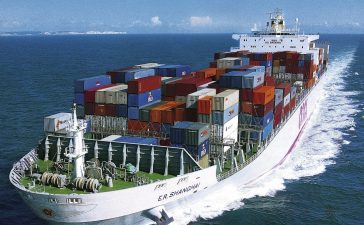
The Federal Government has emphasised the need for faster and more effective resolution of maritime disputes as part of efforts to unlock Nigeria’s vast blue economy potential and create a more attractive environment for investors.
The government stressed that an efficient maritime justice system is essential to the development of the sector, particularly as Nigeria seeks to expand economic activities connected to its oceans, inland waterways and coastal areas.
The call reflects growing efforts to position the maritime sector as a major contributor to national economic development. With Nigeria’s extensive coastline, inland waterways and strategic position along major international shipping routes, the country has significant opportunities to generate wealth and create employment through maritime activities.
These opportunities include shipping, port operations, logistics, fisheries, aquaculture, marine tourism, offshore energy and other ocean-related businesses.
However, stakeholders have repeatedly identified regulatory challenges, disputes and delays in the judicial process as factors that can affect investor confidence and increase the cost of doing business in the maritime industry.
The Federal Government’s position is that a credible and responsive maritime justice system can help address some of these concerns by ensuring that commercial disagreements are resolved within a reasonable timeframe.
Timely resolution of maritime disputes is particularly important in an industry where delays can have significant financial consequences. Shipping and port-related disagreements can affect cargo movement, vessel operations, contractual obligations and business relationships.
A more efficient dispute-resolution framework could therefore contribute to greater certainty for businesses and encourage both local and international investors to participate more actively in Nigeria’s maritime economy.
The emphasis on maritime justice also comes at a time when the Federal Government and other stakeholders are placing greater attention on the blue economy as a pathway for economic diversification.
Nigeria’s blue economy has the potential to support thousands of jobs while generating new revenue streams outside the traditional oil and gas sector. However, achieving this potential will require coordinated policies, effective regulation, strong institutions and an investment-friendly business environment.
Legal certainty is an important part of that environment. Investors are more likely to commit capital to maritime infrastructure and long-term projects when they are confident that commercial agreements will be respected and disputes can be resolved fairly and efficiently.
The government has therefore continued to encourage reforms that can strengthen the maritime sector and improve the overall ease of doing business.
For maritime operators, shipping companies, port investors and other industry players, the development of an effective maritime justice system could provide greater confidence in Nigeria’s business environment.
As the country seeks to harness its maritime resources for economic growth, stakeholders say the focus must extend beyond physical infrastructure to include the legal and institutional systems that support the industry.
The Federal Government’s latest position underscores the importance of making maritime justice a key component of Nigeria’s broader blue economy strategy. Faster dispute resolution, stronger legal frameworks and improved institutional coordination could ultimately help Nigeria attract more investment and compete more effectively in the global maritime economy