The Federal Government has reaffirmed its commitment to unlocking the vast potential of Nigeria’s maritime domain as part of efforts to create jobs, attract investment and accelerate economic diversification.
The renewed focus reflects growing recognition of the strategic role that Nigeria’s coastline, seaports, inland waterways and marine resources can play in strengthening the national economy.
With Nigeria operating one of Africa’s largest maritime markets, stakeholders believe the sector has significant untapped opportunities across shipping, port operations, shipbuilding, marine transportation, fisheries, offshore services, logistics and tourism.
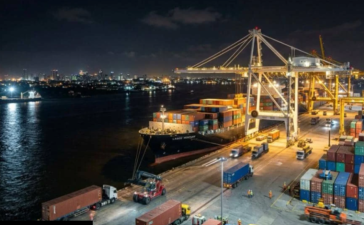
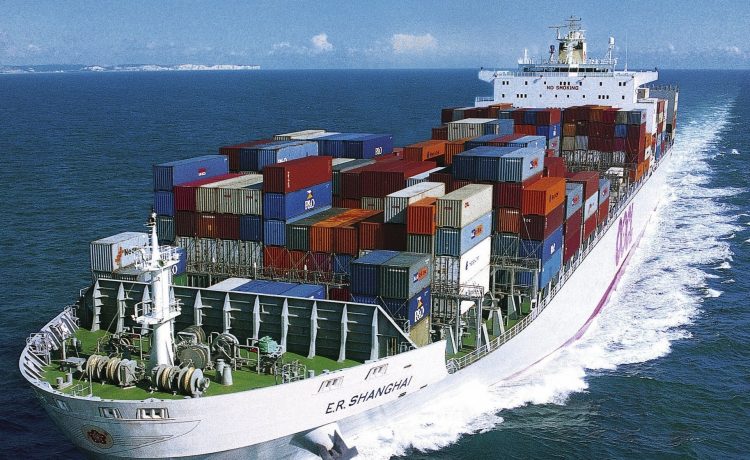
For decades, Nigeria’s maritime sector has remained central to international trade, with a significant proportion of the country’s imports and exports passing through its seaports. Efficient maritime transportation is therefore essential to the performance of the wider economy.
However, challenges including inadequate infrastructure, port congestion, bureaucratic bottlenecks, high logistics costs and limited local shipping capacity have continued to restrict the sector’s growth.
The Federal Government’s renewed commitment is expected to place greater emphasis on addressing these challenges while creating an environment that encourages both domestic and international investors to participate more actively in the maritime economy.
One of the most significant opportunities is job creation. Nigeria’s growing population requires an economy capable of generating sustainable employment, and the maritime industry can provide opportunities across a wide range of professional and technical fields.
These include marine engineering, naval architecture, seafaring, port management, logistics, freight forwarding, ship maintenance, information technology, environmental management and maritime law.
The expansion of maritime activities can also benefit small and medium-sized enterprises operating within the sector’s wider supply chain. Transport operators, equipment suppliers, technology companies, security providers and other service businesses could benefit from increased maritime activity.
Investment in modern ports, shipbuilding, vessel repair, inland water transportation and logistics infrastructure could also improve the country’s trade competitiveness.
Efficient ports and transportation networks can reduce the cost and time required to move goods. This would benefit manufacturers that depend on imported raw materials and machinery while also making it easier for Nigerian exporters to access international markets.
The maritime sector is increasingly being viewed as part of the broader blue economy, creating opportunities in fisheries, aquaculture, marine biotechnology, coastal tourism and renewable energy.
However, stakeholders say unlocking these opportunities will require stronger collaboration between government, private investors, academic institutions and local communities.
Investment in maritime education and professional training will also be critical. As the sector becomes more technologically advanced, Nigeria will need skilled professionals capable of operating modern vessels, managing sophisticated port systems and deploying emerging technologies.
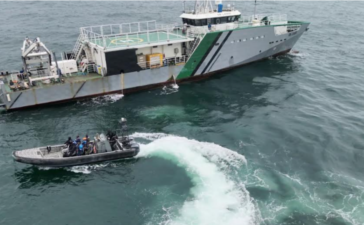
Security remains another important consideration. Safe waterways and secure shipping routes are essential for attracting investors and encouraging increased commercial activity.
As the Federal Government moves to unlock the potential of Nigeria’s maritime domain, stakeholders expect the sector to become an increasingly important pillar of economic development.
With the right policies, infrastructure, investment and human capital, Nigeria’s maritime industry can become more than a gateway for international trade. It can serve as a major engine for job creation, industrial development, investment attraction and regional economic integration.