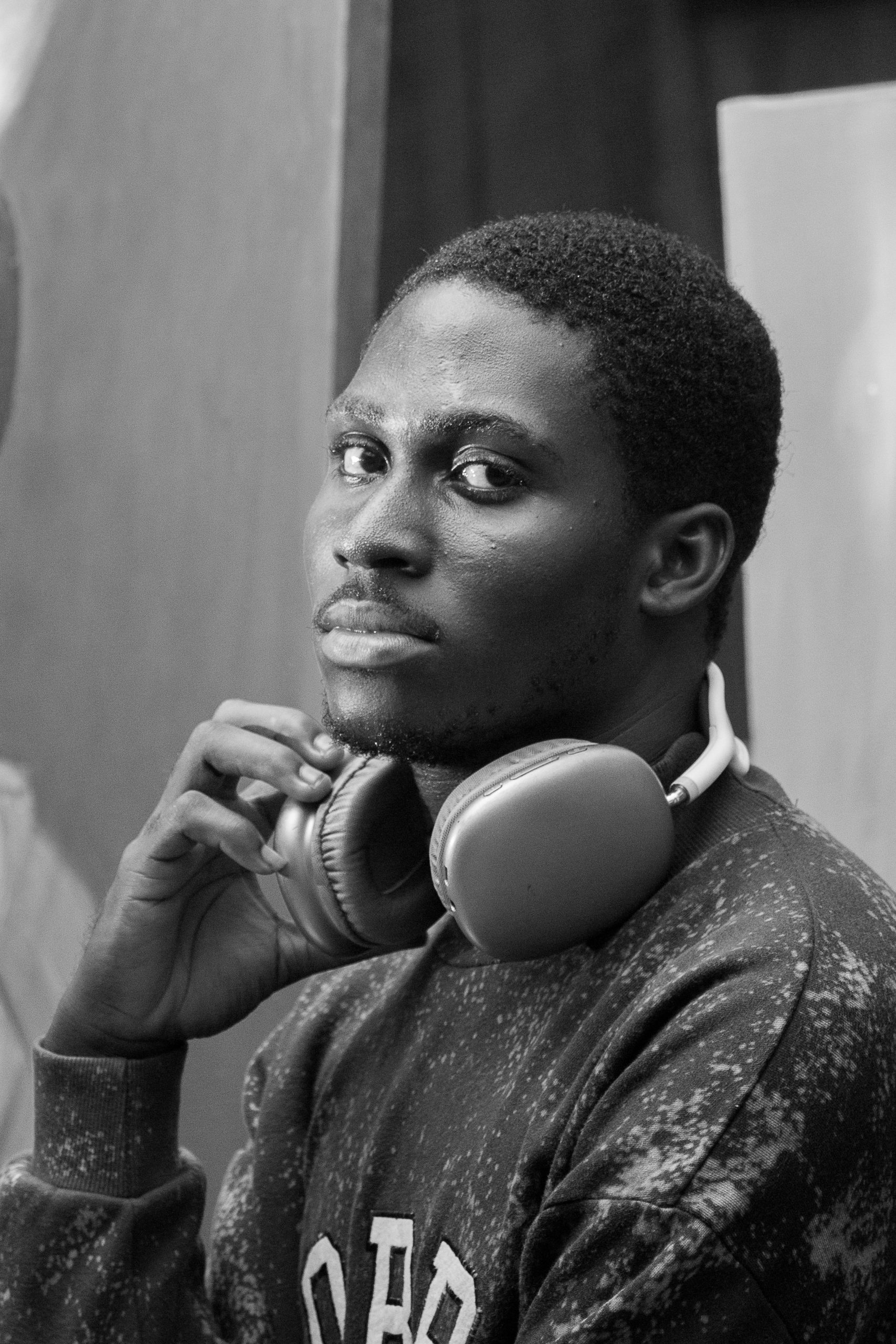
Identity, memory, culture and the search for meaning are recurring themes in contemporary African art, and few emerging artists explore these ideas with the depth and sensitivity of Mark C. Duke.
Through figurative and mixed-media works rich in symbolism and storytelling, the young Nigerian artist examines the complexities of human experience, drawing from personal reflection, cultural heritage and the realities of modern society.
His participation in Here & Now: Becoming, Identity, Memory and Environment, opening at Thought Pyramid Art Centre, Lagos, from June 13 to 30, 2026, places him among a select group of emerging artists whose works interrogate the forces that shape individual and collective existence.
The exhibition provides a fitting platform for Duke’s artistic inquiry into belonging, resilience, tradition and transformation.
Rooted in a deep appreciation of African culture and the enduring power of visual narratives, Duke’s works invite viewers to look beyond the surface and engage with questions of identity, purpose and human potential.
His ability to blend contemporary concerns with cultural symbolism has positioned him as one of the promising voices within Nigeria’s evolving contemporary art landscape.
In this interview with AV1 News, Mark C. Duke reflects on his artistic journey, the inspirations behind his work, and the ideas he brings to Here & Now, while offering insight into the role of art in shaping conversations about identity, memory and the future of society.
AV1: Your work often amplifies marginalized voices. What motivates this commitment?
Duke: What motivates this is the silence I keep seeing around certain lives and emotions. My work becomes a way of listening where the world often does not. It is my little way of saying, “Yes, I see you—and you are not alone.”
AV1: How has your upbringing shaped your artistic perspective?
Duke: Being brought up among three siblings shaped my artistic perspective by teaching me how different people can feel and express emotions within the same space. It made me sensitive to unspoken feelings and quiet dynamics, which now influence the way I create and tell stories through my work.
AV1: You studied Computer Science but pursued art professionally. How have these two worlds influenced each other?
Duke: Computer science taught me discipline, attention to detail, logic, and problem-solving, while art taught me how to break free from my earthly cage and connect with the divine. Together, they help me create work that is both intentional and expressive.
AV1: You are known for your mastery of the ballpoint pen. What attracted you to this medium?
Duke:What attracted me to this medium was its precision, honesty, and discipline. You have to commit to every stroke and line; every pressure forces you to be patient, even when you are not. That, for me, is what makes it so compelling. It also teaches you not to dwell on mistakes, because mistakes are inevitable—they become part of the process.
AV1: What challenges come with creating detailed works using such an everyday tool?
Duke: The biggest challenge is the demand for patience and control. With a ballpoint pen, every line matters, and there is very little room for error. Once a mark is made, it cannot easily be erased, so you have to think ahead while still staying present in the moment.
AV1: Your art addresses social justice, resilience, and hope. Why are these themes important today?
Duke:These themes matter because they reflect what many people are living through but often cannot express. Social injustice, resilience, and hope exist side by side in everyday life. My work tries to hold that truth.
As I often feel, “we are just one sad generation with smiley faces.”
AV1: How do you approach storytelling through visual art?
Duke: I approach storytelling by focusing on emotion first. I have to be in that emotional space to connect deeply and tell the story well. I put myself in the subject’s shoes, and from that place, I capture what is often unspoken rather than what is simply seen.
AV1: The exhibition is titled “Here & Now.” How does your work connect with its themes?
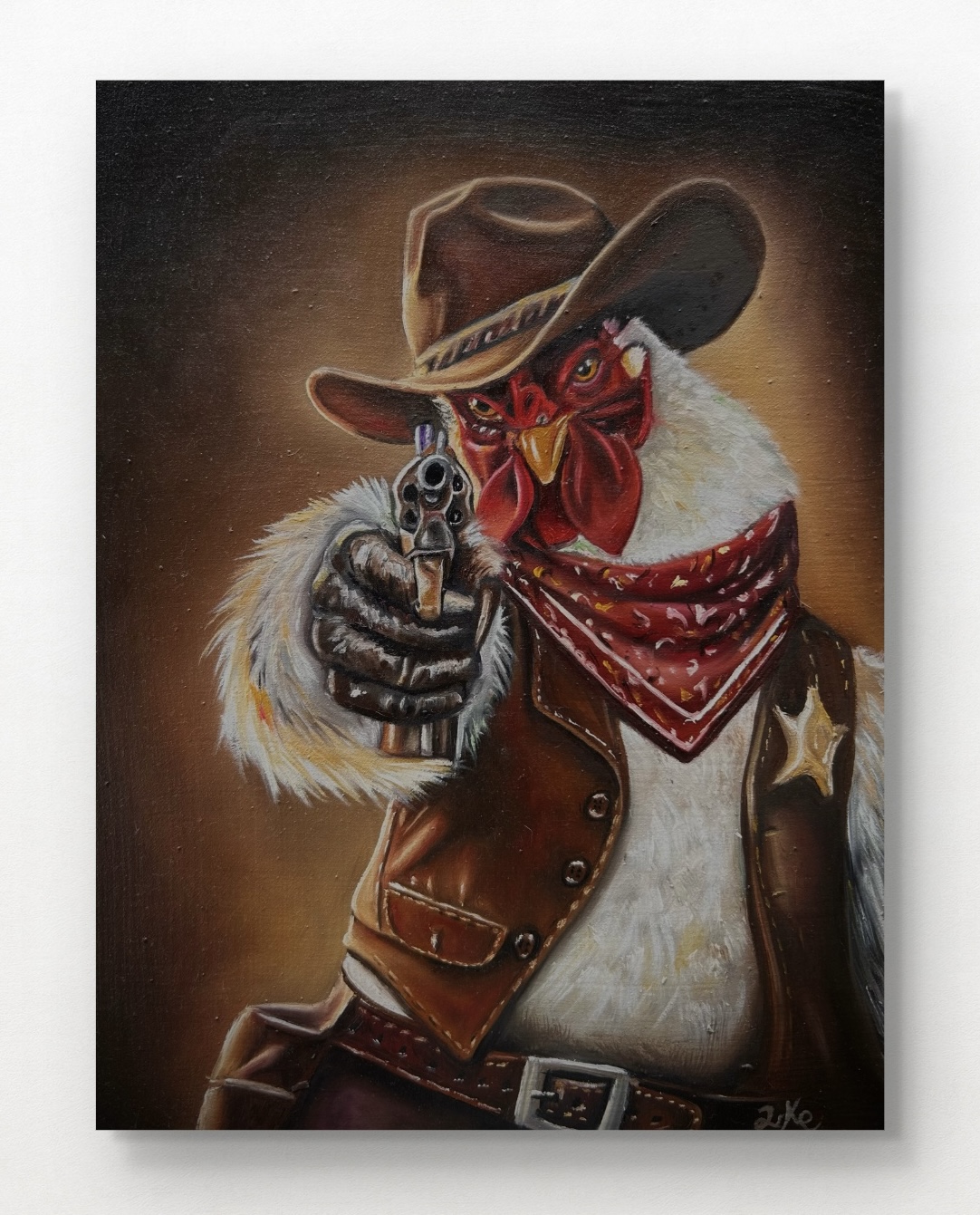
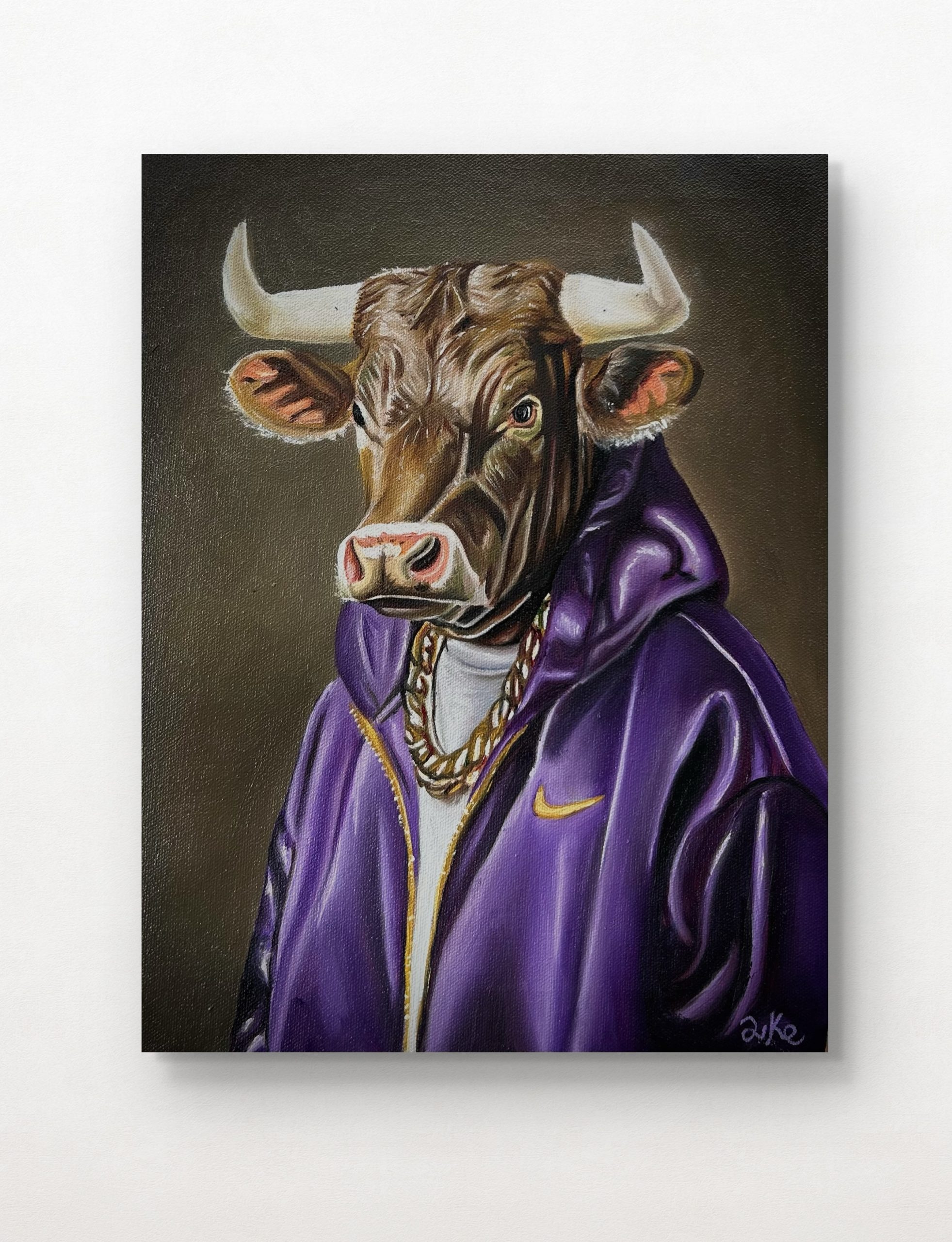
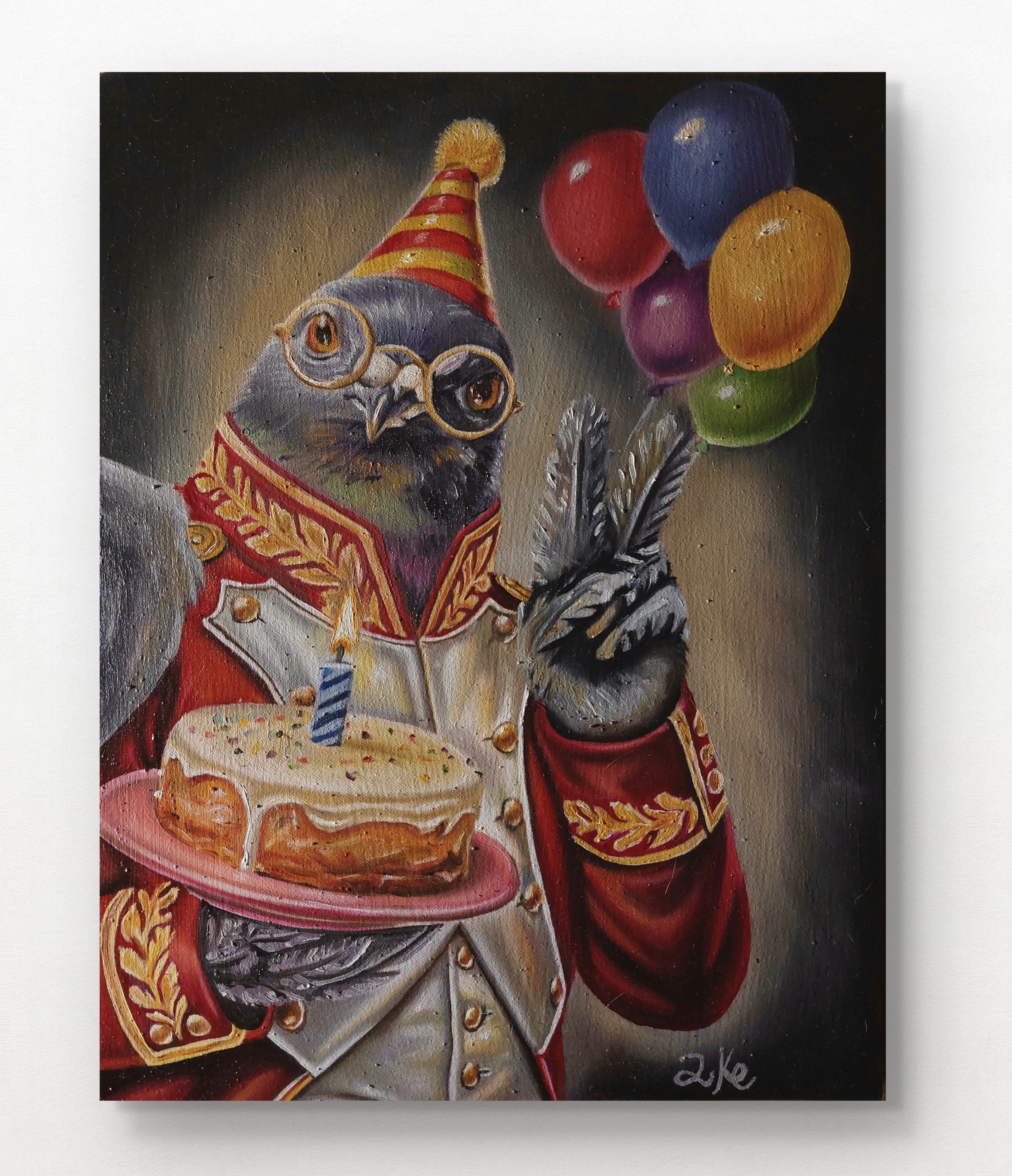
Duke: My work connects to the theme of Here & Now through symbolic storytelling rather than literal representation. Using miniature anthropomorphic figures, I explore how individuals navigate the pressures of society while still asserting who they are.
Each piece reflects a different aspect of becoming. The Celebrant speaks to visibility and the need to be seen and acknowledged, even in overlooked forms. The Sheriff reflects courage and resistance in a world where speaking out requires strength. City Boy explores identity within urban spaces, showing how one can choose not to be shaped by their environment, but instead shape it.
AV1: What role should artists play in addressing social issues?
Duke:Artists should act as witnesses and translators of society’s realities. They don’t necessarily need to provide solutions, but they should bring attention to what is often ignored, uncomfortable, or misunderstood.
AV1: How do you balance advocacy with artistic expression?
Duke:I try not to force conclusions on the viewer. Instead, I create space for reflection where the message is felt rather than instructed. That way, the work remains both expressive and open, allowing people to connect with it in their own way.
AV1: What lessons have you learned from exhibiting internationally?
Duke:It has taught me humility and openness—seeing how people from diverse backgrounds connect with my work in ways I didn’t expect, and understanding that once a piece is released, it no longer belongs only to me but to the viewer’s experience as well.
AV1: Are there stories you feel are still underrepresented in contemporary art?
Duke: Yes. I feel there are still many quiet, everyday stories that are underrepresented in contemporary art—especially those from ordinary African and working-class experiences.
AV1: How do you hope your work impacts younger generations?
Duke: I hope my work helps younger generations feel seen and understood, and encourages them to embrace their identity without fear. I want them to understand that their voice matters, even in silence, and that their experiences—no matter how ordinary they seem—are valid and worth expressing.
AV1: What has been the most meaningful response you’ve received from a viewer?
Duke: The most meaningful responses are usually not the loud ones, but the quiet ones—when someone stands in front of a piece and simply feels seen. A viewer once told me that my work expressed emotions they had struggled to explain for years, and that stayed with me.
AV1: What future projects or themes excite you most?
Duke: I’m most excited about continuing to explore projects around identity, resilience, and social justice. These themes feel deeply connected to the world we live in, and I want to keep finding new ways to express them through my work.