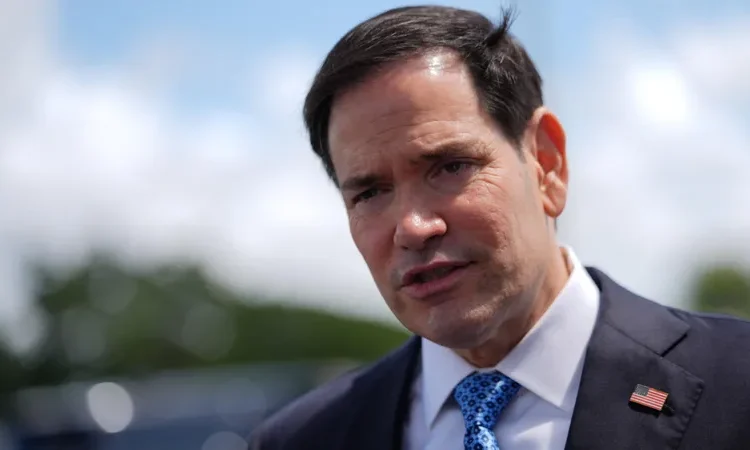
Marco Rubio has described Cuba as a “national security threat” to the United States, warning that the chances of reaching a peaceful agreement with Havana are “not high” amid escalating tensions between both countries.
Rubio made the remarks on Thursday, one day after US authorities charged former Cuban president Raúl Castro with murder over the 1996 downing of two civilian aircraft that killed four people, including US nationals.
Speaking to reporters, Rubio said the United States still preferred a diplomatic resolution with Cuba but admitted that such an outcome appeared unlikely under the current Cuban leadership.
He also accused Cuba of being one of the leading sponsors of terrorism in the region, a claim strongly rejected by Cuban officials.
In response, Cuba’s Foreign Minister, Bruno Rodríguez, accused Rubio of spreading falsehoods and attempting to provoke military aggression against the island nation.
Rodríguez insisted that Cuba has never posed a security threat to the United States and criticised Washington for what he described as systematic attacks on the Cuban government and economy.
The renewed diplomatic clash comes as Cuba faces worsening economic conditions, including fuel shortages, prolonged blackouts, and food scarcity. Analysts say the situation has been worsened by US sanctions and restrictions on oil supplies reaching the island.
Rubio disclosed that Cuba had accepted a US humanitarian assistance package valued at $100 million aimed at providing food and medical support.
The latest tensions intensified after the US Department of Justice unsealed criminal charges against Castro and several former Cuban military officials over the 1996 shooting down of two planes operated by the exile group Brothers to the Rescue.
US prosecutors allege that Castro, who served as Cuba’s defence minister at the time, authorised the military operation that destroyed the aircraft over international waters.
Acting US Attorney General Todd Blanche said American authorities expect Castro to eventually face the charges, although officials declined to explain how they might seek to bring him into US custody.
Rubio also announced the arrest of Adys Lastres Morera, the sister of a senior Cuban military-linked business official, alleging that she had been supporting Havana’s government while residing in Florida.
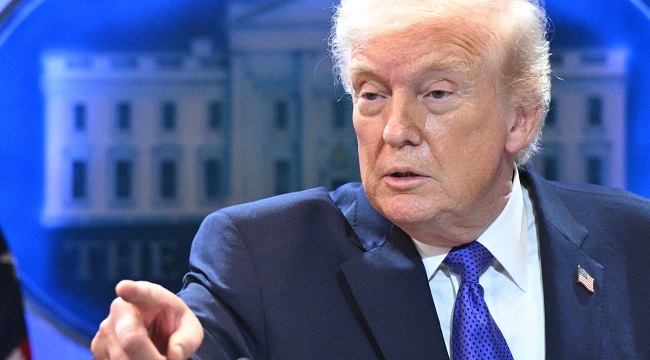
Meanwhile, Donald Trump suggested that his administration could play a decisive role in reshaping relations with Cuba, describing the country as a “failed nation” while stating that the US was trying to help Cubans on a humanitarian basis.
Trump also hinted that his administration could achieve what previous US governments had failed to accomplish over several decades regarding Cuba policy.