The camp of former Vice President Atiku Abubakar has sharply criticised comments by presidential spokesman Bayo Onanuga over the North-South power rotation debate ahead of the 2027 general elections.
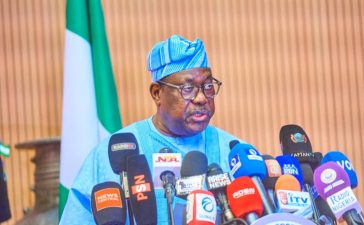
Onanuga had earlier insisted that President Bola Tinubu must complete two terms in office, arguing that the South should retain the presidency until 2031 following the eight-year tenure of former President Muhammadu Buhari.
His remarks have since triggered backlash from opposition figures, who described the position as unconstitutional and politically exclusionary.
Reacting in a post on X, Atiku’s Senior Special Assistant on Public Communication, Phrank Shaibu, accused the Presidency of attempting to undermine democratic principles and silence opposition voices.
Shaibu argued that no presidential aide has the authority to reinterpret Nigeria’s Constitution or turn democracy into a regional entitlement system.
He said zoning remains a political convention rather than a constitutional requirement, insisting that electoral choices must be determined by voters rather than political arrangements.
“This tired attempt to bully Atiku out of the race reeks of fear, not principle,” he wrote, adding that attempts to enforce zoning selectively exposed hypocrisy within the ruling political establishment.
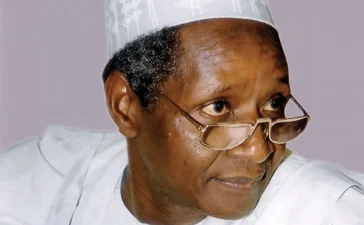
He also accused the Presidency of revising historical events for political gain, rejecting references to the 2010 political transition following the death of former President Umaru Musa Yar’Adua as justification for zoning arguments.
Shaibu maintained that elections are determined by performance and public trust, not entitlement or predetermined agreements.
He further argued that Nigeria belongs to all its citizens and rejected claims that any region or political bloc has permanent control over the presidency.
The statement also escalated criticism of the current administration, alleging that it relies on zoning narratives due to what he described as poor performance in office.
The exchange followed an earlier statement by Onanuga, who described Atiku’s stance as self-serving and accused him of attempting to disrupt an informal North-South political balance.
The renewed war of words highlights rising political tension as parties begin positioning ahead of the 2027 presidential race, with debates over zoning, performance, and national power-sharing increasingly shaping political discourse.