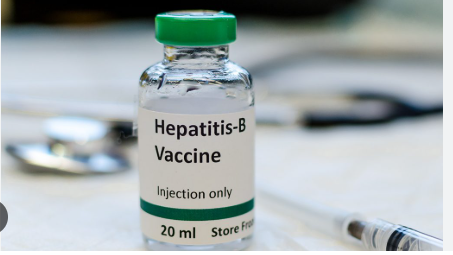
Guinea-Bissau has cancelled a controversial United States-funded study examining potential side effects of the hepatitis B vaccine.
The decision followed strong criticism from scientists, global health officials and lawmakers who described the trial design as unethical.
The study had planned to withhold birth-dose hepatitis B vaccines from half of 14,000 newborns. Critics argued that such a design put infants at unnecessary risk, especially in a country with high hepatitis B infection rates.
Ethical Concerns Spark Global Backlash
The proposed trial immediately drew concern from researchers and public health experts. The World Health Organization (WHO) was among those who reportedly raised red flags about the ethical implications.
Health experts stressed that the hepatitis B birth-dose vaccine is a proven and critical intervention. It significantly reduces the risk of mother-to-child transmission, particularly in high-burden countries.
Last month, the study was suspended for ethical review following mounting concerns from scientists and some US senators.
Government Confirms Shutdown
Guinea-Bissau’s Foreign Minister confirmed that the trial has now been completely shut down.
His statement made it clear that the government would not proceed with the study under the current framework.
The cancellation marks a decisive end to weeks of debate over the research project.
Lead Researcher Reacts
The study’s lead researcher expressed disappointment over the cancellation. He argued that the trial aimed to generate legitimate scientific insights into potential side effects of the vaccine.
However, he said discussions surrounding the study had become political.
He also warned that shutting down the trial could undermine public confidence in vaccines. Despite the setback, he expressed hope that a revised proposal might gain approval in the future.
Balancing Research and Ethics
The controversy highlights the ongoing tension between scientific research and ethical responsibility.
While clinical studies are vital for improving public health, experts say they must meet strict ethical standards. This is especially important when research involves vulnerable populations such as newborns.
For now, Guinea-Bissau’s decision signals a cautious approach, prioritising established vaccination protocols in the face of ethical concerns.