Iran’s Foreign Minister, Abbas Araghchi, arrived in Saint Petersburg on Monday for talks with Russian President Vladimir Putin, as efforts to revive negotiations with the United States remain uncertain.
The visit comes amid a flurry of diplomatic engagements involving Iran, United States, Pakistan, and Oman, aimed at sustaining dialogue following the collapse of planned talks in Islamabad.
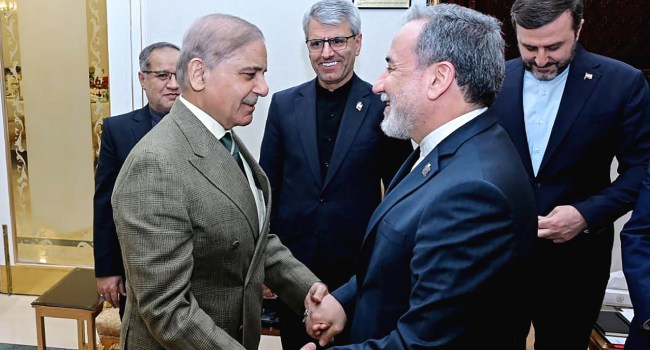
Araghchi’s trip follows earlier visits to Oman and Pakistan, where mediators have been working to keep communication channels open between Tehran and Washington. However, US President Donald Trump cancelled a scheduled visit by his envoys, Steve Witkoff and Jared Kushner, to Pakistan, casting doubt over the prospects of immediate negotiations.
Despite the setback, diplomatic efforts appear ongoing. Iran reportedly sent written messages to the US through Pakistan outlining key red lines, including its nuclear programme and control of the Strait of Hormuz, a vital global energy route.
Reports also suggest Tehran proposed reopening the strait and ending hostilities, with nuclear negotiations deferred to a later stage. Iranian state media referenced the proposal without issuing a denial.
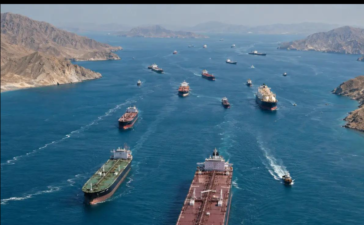
A fragile ceasefire between Iran and Israel-backed US forces has so far held, but tensions remain high. Iran’s continued closure of the Strait of Hormuz has disrupted global supplies of oil, gas, and fertiliser, driving up prices and raising concerns over food security, particularly in developing economies.
The United States has responded with a blockade of Iranian ports, further escalating economic pressure. Iran’s Revolutionary Guards have insisted they will maintain control of the strait, describing it as a core strategic tool against US influence in the region.
Meanwhile, conflict dynamics in Lebanon have added to regional instability. Israeli Prime Minister Benjamin Netanyahu accused Hezbollah of undermining a 10-day ceasefire, while the Iran-backed group pledged to respond to what it described as Israeli violations.
According to Lebanese authorities, recent Israeli airstrikes in southern Lebanon have resulted in multiple casualties, including civilians, as both sides trade blame over renewed hostilities.
Araghchi, in a post on X, said discussions in Oman focused on ensuring safe transit through Hormuz for the benefit of regional and global stakeholders, reiterating that neighbouring countries remain a priority for Iran’s foreign policy.
With global markets rattled and geopolitical tensions persisting, observers say the outcome of Araghchi’s talks in Russia could play a critical role in shaping the next phase of diplomacy in the region.