The World Health Organization (WHO) and Africa Centres for Disease Control and Prevention have officially declared the 2026 Ebola outbreak in Uganda over, marking an important victory for the country’s health authorities and communities.
The announcement was made on August 27, 2026, after Uganda completed 42 consecutive days without recording a new confirmed Ebola case. The 42-day period is internationally recognised as an important benchmark because it represents twice the maximum incubation period of the Ebola virus.
Uganda’s last Ebola patient, an imported case linked to the neighbouring Democratic Republic of the Congo, was discharged from care on July 16, 2026. Health authorities continued intensive surveillance after the patient’s discharge to ensure that no hidden chain of transmission remained in the country.
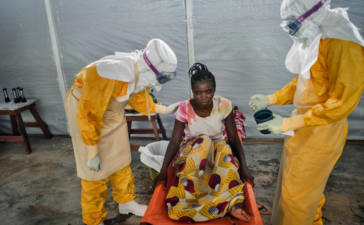
During the outbreak, Uganda recorded 20 confirmed cases of Ebola caused by the Bundibugyo virus, with two deaths reported among confirmed cases. The outbreak was first declared in May 2026 and was largely linked to cross-border transmission from the Democratic Republic of the Congo.
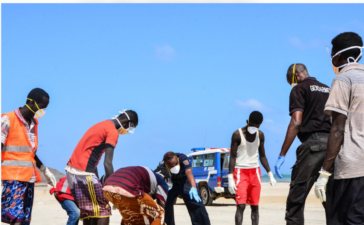
WHO praised Uganda’s response, which included disease surveillance, testing, contact tracing and cooperation between health authorities and international partners. The successful end of the outbreak demonstrates the importance of rapid detection and sustained monitoring in controlling infectious diseases.
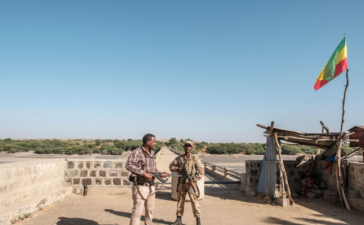
However, health officials have warned that the situation in neighbouring Democratic Republic of the Congo (DRC) remains a serious concern. The Ebola outbreak there is still active, making continued regional cooperation and border surveillance important for Uganda and other neighbouring countries.
Uganda’s success has brought relief to residents and health workers who spent months responding to the outbreak. The country’s ability to prevent further transmission after the final case was discharged has been described as a major public health achievement.
WHO officials have nevertheless stressed that ending an outbreak does not mean health systems should relax. Continued preparedness, strong surveillance and quick responses to suspected cases remain essential, especially because of the ongoing Ebola situation in the DRC.
The end of the outbreak is also a reminder of the importance of international cooperation in fighting diseases that can easily cross borders. Uganda’s experience is expected to provide valuable lessons for other African countries facing infectious disease threats.
For now, Uganda can celebrate a significant achievement: after weeks of careful monitoring and public health efforts, the country has officially brought its 2026 Ebola outbreak to an end.