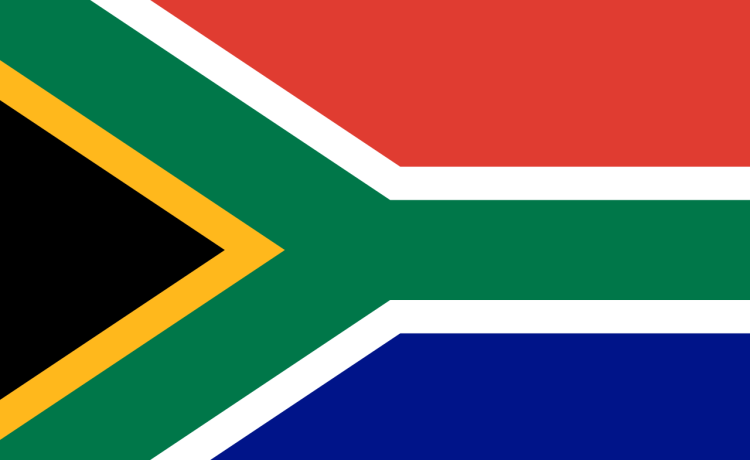
South Africans have gone to the polls in municipal elections that could further weaken the political influence of the African National Congress (ANC), as growing public dissatisfaction over corruption, unemployment, crime and poor public services shapes the country’s political landscape.
The elections, held on Wednesday, November 4, 2026, are attracting considerable attention because of the possibility of further losses for the ANC, which has governed South Africa since the end of apartheid in 1994.
The party’s political dominance has faced increasing pressure in recent years as voters express frustration over economic difficulties, unreliable basic services and concerns about government accountability.
According to Reuters, the ANC is expected to experience another decline in its share of the vote, while opposition parties are seeking to expand their influence across important municipalities.
The Democratic Alliance (DA), one of the country’s major opposition parties, is expected to make gains, particularly in Johannesburg, where concerns about water supply, electricity and municipal administration have become important campaign issues.
The elections are taking place against the background of South Africa’s changing political environment. In the 2024 national election, the ANC lost its parliamentary majority for the first time since taking power in 1994. The development forced the party to negotiate a national unity government with other political parties.
The municipal elections are therefore another important test of the ANC’s ability to retain public confidence.
Coalition politics could shape major cities
One of the major issues surrounding the elections is the possibility that no political party will secure an outright majority in several major metropolitan areas.
This could lead to coalition negotiations involving different political parties seeking to control municipal councils.
Coalition arrangements have become increasingly important in South African politics because the country’s voting patterns have become more fragmented.
Smaller political parties could therefore play important roles in determining which parties control municipalities, even when they do not secure the largest share of votes.
Johannesburg is among the important cities attracting attention. The city has faced persistent service delivery challenges, including water and electricity problems, while political instability has contributed to repeated changes in municipal leadership.
The performance of political parties in the city could influence future debates about governance, investment and the delivery of essential services.
Public services remain central to the election
South African voters are also concerned about unemployment, crime, infrastructure and the cost of living.
Municipal governments play an important role in providing basic services such as water, sanitation, electricity distribution, waste management and local road maintenance.
Consequently, voters are increasingly judging political parties by their ability to improve everyday living conditions.
For businesses and investors, the election outcome could also have economic implications. Stable municipal administration is important for infrastructure development, business operations and the delivery of public services.
The results are expected to influence political negotiations in several municipalities, with Reuters reporting that final results are expected on Sunday.
The election represents another significant moment for South Africa’s democracy. Whether the ANC maintains its influence or opposition parties gain further ground, the outcome will provide an important indication of how voters are responding to the country’s political and economic challenges.