The Senate has suspended its ongoing legislative recess and summoned lawmakers for an emergency plenary session to address pressing national issues, particularly the rising insecurity across Nigeria.
In a notice dated June 15 and signed by the Clerk of the Senate, Emmanuel Odo, senators were directed to reconvene at the National Assembly Complex in Abuja on Tuesday, June 23, at 11:00 a.m.
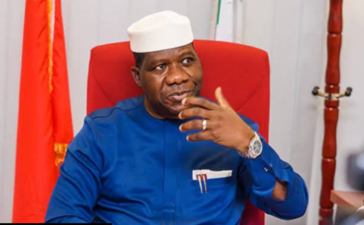
The directive followed instructions from Senate President Godswill Akpabio, who said the emergency sitting was necessary to consider urgent matters of national importance requiring immediate legislative attention.
“The purpose of this emergency sitting is to enable the Senate to consider matters of urgent national importance, particularly issues relating to national security and other critical concerns that require immediate legislative attention,” the notice stated.
The Senate also apologised for any inconvenience the sudden recall may cause and urged lawmakers to make necessary arrangements to attend the session.
The development marks a shift from the National Assembly’s earlier schedule, which saw both chambers adjourn plenary last week for a recess expected to last until July 7, 2026. The break was intended to allow lawmakers to observe the Democracy Day holiday and engage in constituency activities.
However, the worsening security situation across the country has prompted renewed legislative urgency, with increasing calls for stronger measures to address terrorism, banditry, and kidnapping.
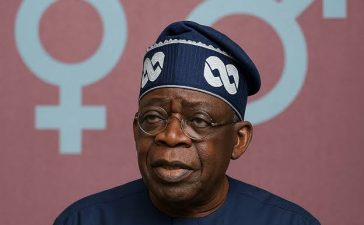
Only days earlier, President Bola Tinubu reaffirmed his administration’s hardline stance on insecurity, declaring that terrorists and their sponsors would face decisive action. In his Democracy Day address, he said more than 13,000 terrorists had been neutralised within the past year and claimed an 81 per cent reduction in terror-related deaths since 2015.
Despite these claims, the President acknowledged ongoing security concerns, including the continued captivity of schoolchildren abducted in Oyo and Borno States, describing it as a painful reminder of the country’s challenges.
The emergency Senate session is also expected to focus on broader legislative reforms aimed at restructuring Nigeria’s security framework.
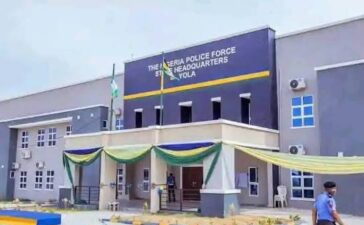
The National Assembly has recently advanced proposals for the creation of state police, with constitutional amendment bills seeking to move policing from the Exclusive Legislative List to the Concurrent Legislative List.
If passed, the reform would allow states to establish and manage their own police forces. The proposed amendments target Sections 197, 214, and 215 of the 1999 Constitution.
The Senate has already passed the bill through second reading, reflecting growing political momentum for decentralised policing as part of efforts to tackle Nigeria’s persistent security crisis.
The upcoming plenary is expected to serve as a critical platform for further deliberations and possible legislative action on national security reforms.