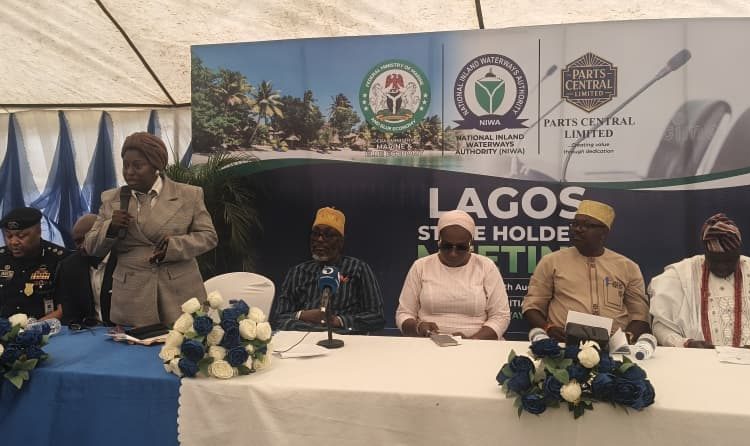
Nationwide Environmental Initiative Launch
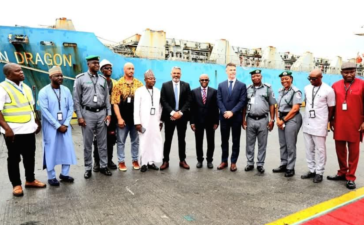
The National Inland Waterways Authority has officially launched a comprehensive nationwide waterways cleanup initiative, choosing Lagos State as the starting point for its campaign. Partnering with private sector firm Parts Central Limited, the authority aims to eliminate marine debris, enforce environmental regulations, and clear critical navigation channels across Nigeria’s inland water network.
During the official launch event in Lagos, maritime officials emphasized that maintaining pristine aquatic environments is a prerequisite for unlocking the full economic potential of the nation’s marine sectors. Because water covers approximately one-third of Lagos State’s total land area, the cleanliness and navigational safety of these channels directly influence local commercial transportation, fisheries, and broader economic stability. Clean, unobstructed waterways reduce maritime transit times, minimize mechanical failures for passenger craft, and foster sustainable employment opportunities for young urban populations.
Targeting Industrial and Waterfront Pollution
Regulatory inspections have identified indiscriminate waste disposal by waterfront property owners, industrial dredgers, commercial vessel operators, and tank farm facilities as the primary drivers of localized marine pollution. Officials expressed strong concern regarding heavy industrial runoff, particularly around major maritime industrial zones such as Kirikiri, where unauthorized liquid and solid waste discharges have severely degraded water quality and threatened native aquatic ecosystems.
To address these environmental violations, regulatory authorities are demanding strict compliance with national waste management guidelines. Waterfront property owners are required to construct dedicated waste containment units on land rather than allowing refuse to flow into public channels. Furthermore, commercial dredging operators must implement modernized water-filtration and discharge systems to prevent heavy sediment and industrial sludge from re-entering active navigation corridors.
Deploying Modern Waste Infrastructure
The private sector partnership with Parts Central Limited introduces specialized technology and physical waste infrastructure across passenger jetties and waterfront facilities. Under the deployment plan, commercial passenger boats will be equipped with standardized refuse containers, while heavy-capacity collection bins will be permanently installed at high-traffic landing facilities and docking terminals.
By establishing accessible disposal infrastructure at every stage of the transit loop, vessel operators and passengers can dispose of solid waste and plastics responsibly upon arrival. Collected recyclable materials will be directed into municipal recycling streams, converting potential marine pollutants into usable economic raw materials while preventing plastic accumulation in coastal waters.
Collaborative Stewardship and Economic Outlook
Restoring coastal marine health requires continuous, active participation from all maritime stakeholders, including artisanal fishermen, commercial transport operators, and industrial facility managers. Regulatory agencies are combining enforcement measures with public education campaigns to emphasize that protecting water quality preserves local fish stocks and ensures long-term commercial viability for all waterway users.
Through structured private-sector collaboration, strict regulatory enforcement, and modern infrastructure deployment, the cleanup initiative establishes a durable framework for sustainable water management. Safeguarding these vital transit corridors protects public health, preserves fragile coastal biodiversity, and reinforces Nigeria’s broader agenda for sustainable blue economy growth.