The Nigeria Centre for Disease Control and Prevention (NCDC) has intensified nationwide surveillance and emergency preparedness measures following the worsening Ebola outbreaks in Uganda and the Democratic Republic of Congo.
In a public health advisory issued on Sunday, the Director-General of the NCDC, Jide Idris, said Nigeria has not recorded any confirmed Ebola case linked to the current regional outbreak.
However, the agency warned that the risk of importation into the country remains high due to increased international travel, population movement and ongoing transmission in affected countries.
The NCDC said its latest risk assessment identified border communities, major transport hubs and international points of entry as high-risk areas requiring enhanced monitoring.
According to the advisory, the risk of Ebola entering Nigeria is elevated because of active transmission in Uganda and the Democratic Republic of Congo, as well as the difficulty of early detection due to symptom overlap with diseases such as malaria and Lassa fever.
The agency said the National Emergency Operations Centre has been placed on alert, while the National Incident Management System has been activated to coordinate preparedness and response efforts nationwide.
It added that epidemiologists and rapid response teams have been placed on standby for possible deployment to any state if needed.
The NCDC also said it is working closely with state Ministries of Health, Port Health Services and other relevant agencies to strengthen coordination and improve national readiness.
Surveillance and epidemic intelligence systems have been intensified, including monitoring of unusual health events, rumours and alerts to support early detection of suspected cases.
Enhanced screening activities are also ongoing at points of entry and in border communities.
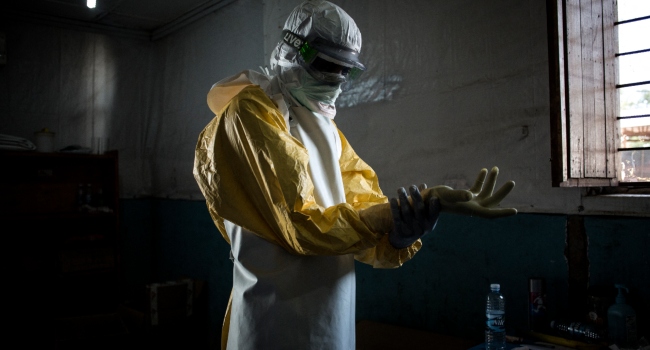
As part of preparedness efforts, Ebola response tools and checklists have been distributed to health facilities across the country, while healthcare workers are undergoing refresher training on infection prevention, triage and early identification of suspected cases.
States have been advised to designate isolation centres, assess treatment capacity and improve logistics systems for emergency response.
The agency also said plans are underway to preposition critical supplies, including personal protective equipment, laboratory materials and emergency response kits across strategic locations.
On laboratory readiness, the NCDC stated that Nigeria maintains testing capacity in states with international airports and within its national public health laboratory network.
It added that surge testing capacity for Ebola is available if required.
The agency warned against misinformation and said it has intensified public awareness campaigns to counter false claims about the disease.
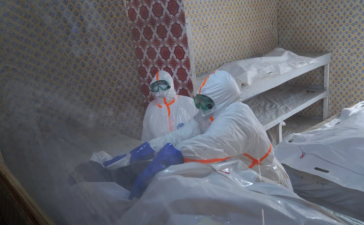
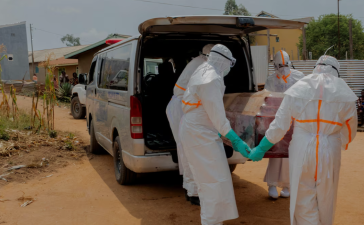
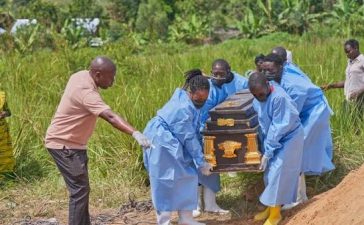
Ebola Virus Disease is a severe illness transmitted through direct contact with infected bodily fluids or contaminated materials, with symptoms including fever, weakness and muscle pain.
Nigeria last experienced a major Ebola outbreak in 2014 after the virus was introduced through a traveller who arrived in Lagos from Liberia.
That outbreak resulted in 20 confirmed cases and eight deaths before being successfully contained through aggressive contact tracing and isolation measures.
The current alert follows renewed outbreaks in parts of East and Central Africa, where health authorities continue to battle recurring cases amid cross-border movement and fragile health systems.
Public health experts have warned that porous borders and increased global travel continue to heighten the risk of cross-border disease spread across Africa.