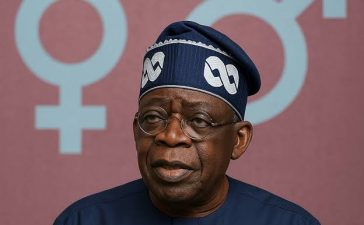
Nigeria and France are seeking to strengthen economic cooperation and attract increased investment into Nigeria’s oil and gas industry, as both countries explore opportunities in energy development, infrastructure and technology transfer.
The discussions formed part of an energy roundtable organised during the 2026 French Week by the Franco-Nigerian Chamber of Commerce and Industry.
Participants from government, the energy industry and the diplomatic community identified several areas where stronger cooperation could improve Nigeria’s energy sector.
These include natural gas development, energy transition, decarbonisation, regulatory stability and the expansion of infrastructure needed to support the country’s energy industry.
The discussions come as Nigeria continues efforts to attract foreign investment, increase domestic energy production and strengthen its position as an important energy supplier in Africa.
Nigeria possesses substantial oil and gas resources, but the development of these resources requires investment in production facilities, transportation infrastructure, technology and skilled manpower.
The country has also been working to improve its investment environment through reforms aimed at strengthening the petroleum industry and encouraging greater private-sector participation.
TotalEnergies highlights investment opportunities
The Managing Director and Chief Executive Officer of TotalEnergies Nigeria, Matthieu Bouyer, said the energy industry provides significant opportunities to strengthen the longstanding economic relationship between Nigeria and France.
He noted that TotalEnergies has operated in Nigeria for 70 years and remains committed to developing local expertise, supporting domestic contractors and building long-term partnerships.
Bouyer also disclosed that more than 100 French companies operate in Nigeria across different sectors, including energy, infrastructure, logistics, technology, agriculture and consumer goods.
These companies contribute to economic activities and employment opportunities across the country.
He identified three important areas for stronger cooperation: energy transition and decarbonisation, gas infrastructure and domestic utilisation, as well as technology transfer and local content development.
These areas are particularly important as Nigeria seeks to expand energy supply while responding to changing global energy requirements.
Natural gas remains a major opportunity
Natural gas development is expected to play an important role in Nigeria’s energy plans.
The resource can support electricity generation, industrial production and the development of gas-based industries.
However, inadequate infrastructure has limited the ability to fully utilise Nigeria’s gas resources.
Investment in pipelines, processing facilities and distribution networks could help improve the availability of gas for domestic industries.
Greater gas utilisation could also support manufacturing companies that depend on reliable energy supplies for their operations.
The development of natural gas infrastructure could therefore create opportunities for local contractors, engineering companies and other businesses connected to the energy value chain.
Strengthening Nigeria-France economic relations
According to the report, bilateral trade between Nigeria and France reached approximately $4.7 billion in 2025.
This reflects the importance of the relationship and the opportunities available for expanding commercial activities between the two countries.
For Nigeria, increased French investment could support technology transfer, infrastructure development and the creation of employment opportunities.
However, attracting investment will depend on several factors, including regulatory certainty, infrastructure availability, security and the ability of businesses to operate within a predictable economic environment.
The discussions also highlight the importance of partnerships between international companies and Nigerian businesses.
Local participation in energy projects could help develop technical skills and strengthen the capacity of domestic companies.
As Nigeria continues to pursue its energy development objectives, cooperation with international partners could provide access to capital, technical expertise and new technologies.
The outcome of these discussions will depend on how effectively both countries translate investment interest into concrete projects capable of supporting Nigeria’s energy industry.