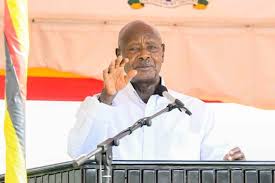
Uganda’s President Yoweri Museveni has signed into law a controversial bill aimed at curbing foreign influence in domestic affairs, following parliamentary amendments that softened some of its most heavily criticised provisions.
The legislation, known as the “Protection of Sovereignty” law, criminalises the promotion of “the interests of a foreigner against the interests of Uganda” and restricts individuals working with foreign interests from developing or implementing policy without government approval.
Human rights organisations have raised concerns that the law’s broad wording could allow authorities to criminalise legitimate political activity and opposition engagement, warning it may be used to suppress dissent.
The Ugandan government, however, has dismissed such criticisms, arguing that opponents are overstating the law’s implications.
The bill, passed by parliament on May 5 and signed into law on Sunday, introduces penalties of up to 10 years in prison and significant financial fines for violations.
Earlier drafts of the legislation had proposed stricter measures, including requirements for all Ugandans receiving foreign funds to register as foreign agents. That provision was later narrowed to apply only to individuals receiving funds specifically for political activities that advance foreign interests.
The revisions followed concerns raised by financial institutions and development organisations over the potential impact on Uganda’s economy, particularly remittances and foreign-funded development programmes.
Remittances from Ugandans abroad remain a critical source of foreign exchange for the country, supporting household incomes and stabilising external reserves.
The Governor of the Bank of Uganda, Michael Atingi-Ego, previously warned that the original version of the bill could significantly reduce financial inflows and threaten macroeconomic stability, describing the potential outcome as an “economic disaster.”
The World Bank also criticised earlier drafts of the bill, cautioning that they could expose routine development and civil society activities to criminal liability.
Neither institution has yet issued updated commentary following the amendments to the final version of the law.
President Museveni, who has ruled Uganda since 1986, has frequently accused political opponents of being influenced or financed by foreign actors, framing such concerns as a national sovereignty issue.
The new law is expected to intensify debate over governance, political freedoms, and the role of foreign funding in Uganda’s civic and development landscape.y