A warning by former Russian president Dmitry Medvedev has intensified concerns among Gulf states that negotiations between Iran and the United States may achieve little more than reopening the strategic Strait of Hormuz, rather than delivering the broader de-escalation the region considers essential.
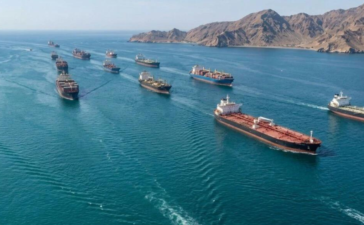
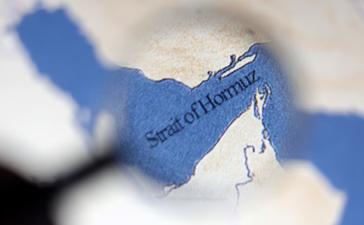
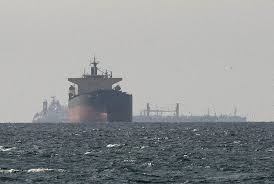
Officials and analysts say the next round of talks, scheduled to take place in Islamabad, is increasingly expected to focus on Iran’s uranium enrichment programme and how to manage Tehran’s influence over the Strait. The narrow waterway is regarded as the world’s most critical oil shipping route, carrying roughly one-fifth of global crude supplies.
Gulf officials fear this approach risks cementing Iran’s strategic leverage. By focusing on managing tensions around Hormuz rather than dismantling the mechanisms that allow Iran to threaten its closure, they warn the negotiations could entrench Tehran’s influence over Middle East energy flows.
According to regional sources, diplomacy between Washington and Tehran has shifted away from attempts to roll back Iran’s missile programme and regional proxies. Instead, discussions are increasingly centred on enrichment levels and the implicit acceptance of Iran’s leverage over the Strait.
Although talks remain deadlocked over enrichment limits, with Iran rejecting demands for zero enrichment or for its uranium stockpiles to be shipped abroad, Gulf officials say the changing priorities themselves are alarming.
“At the end of the day, Hormuz will be the red line,” one Gulf source close to government circles said. “It wasn’t an issue before. It is now. The goal posts have moved.”
There has been no immediate public response from Gulf Arab governments regarding the concerns raised about the negotiations.
Iran’s threats to shipping in the Gulf during the recent conflict have also broken long-standing taboos surrounding the Strait. Analysts say the possibility of disrupting the route has now become a realistic bargaining chip in negotiations.
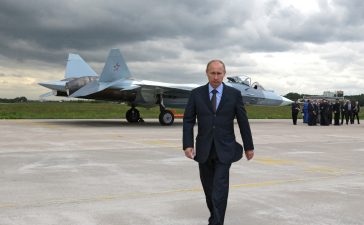
Medvedev, who currently serves as deputy chairman of Russia’s Security Council, highlighted the Strait’s geopolitical importance in a post on social media on April 8.
“It’s not clear how the truce between Washington and Tehran will play out,” he wrote. “But one thing is certain — Iran has tested its nuclear weapons. It is called the Strait of Hormuz. Its potential is inexhaustible.”
The remark underscored a growing perception that control of the vital waterway could serve as a powerful strategic lever for Tehran, allowing it to influence global energy markets and diplomatic negotiations without crossing the threshold into nuclear confrontation.