High Population Mobility Hampers Contact Tracing
Health workers fighting the Ebola outbreak in the Democratic Republic of the Congo encountered severe containment challenges today. Specifically, viral transmission expanded across artisanal gold mining camps in Ituri province.
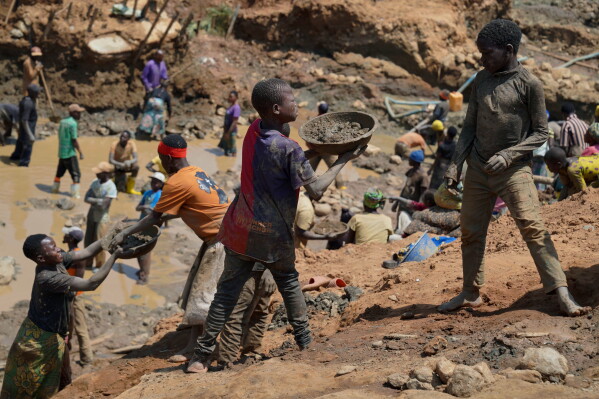
Over two million people work in small-scale mining sites across the country. Consequently, highly mobile workers move rapidly between unmapped extraction pits, making contact tracing difficult.
Furthermore, infections were reported along transit routes just 35 kilometers from the South Sudan border. Therefore, neighboring nations elevated health surveillance at high-volume crossing points.
Deploying Mobile Health Units to Mining Pits
International health agencies deployed specialized mobile teams to conduct health screenings directly at mining terminals. Health workers provide clean water, sanitary gear, and real-time medical evaluations.
Additionally, medical teams engage site supervisors to report emerging symptoms immediately. Partnering with local mining unions helps build trust and accelerates infection tracking.
In short, targeted community monitoring prevents wider regional transmission.
Expanding Health Sanitation Infrastructure in Remote Camps
Improving sanitary conditions at remote mining sites provides a vital defense against viral outbreaks. Response teams are installing clean water stations and hand-washing facilities near main pit entrances.
Furthermore, mobile medical units distribute educational leaflets printed in local languages. Informing workers about early symptoms encourages self-isolation and rapid reporting.
Ultimately, combining physical sanitary infrastructure with community outreach protects vulnerable rural workers effectively.