The Nigeria Customs Service has intercepted 399 rifles and rifle components at the Tin Can Island Port in Lagos, in a major security operation highlighting the importance of effective cargo inspection at Nigeria’s maritime gateways.
The seizure underscores the critical role of the nation’s ports in preventing the movement of prohibited and potentially dangerous items into the country.
According to reports, the weapons were discovered during cargo examination at the Lagos port. The interception demonstrates the significance of intelligence-led customs operations and physical inspection in identifying suspicious consignments moving through Nigeria’s international trade corridors.
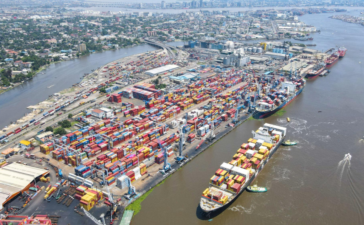
Tin Can Island Port is one of Nigeria’s major maritime gateways and handles substantial volumes of imported cargo. Its strategic importance also makes effective security screening essential to preventing the movement of illicit goods.
Strengthening Port Security
The seizure comes amid continuing efforts by Nigerian authorities to improve security across the country’s maritime environment.
Customs officers play an important role in identifying and stopping prohibited imports before they reach the wider distribution network. Modern cargo scanning, intelligence sharing and risk-based inspection can help authorities identify suspicious shipments while maintaining efficient legitimate trade.
The interception also highlights the need for stronger cooperation among the agencies operating within Nigeria’s ports.
Customs, the Nigerian Ports Authority, the Nigerian Maritime Administration and Safety Agency, security agencies and other relevant institutions all have important responsibilities in maintaining secure and efficient maritime gateways.
Implications for Maritime Trade
While cargo security is essential, authorities also face the challenge of ensuring that increased inspections do not unnecessarily slow legitimate commercial activity.
A balance between security, efficiency and trade facilitation remains critical.
For importers and shipping companies, stronger enforcement means greater scrutiny of cargo documentation, container contents and the origins of imported goods.
For government, successful seizures can demonstrate the effectiveness of investments in customs intelligence and port security.
The interception of the 399 rifles therefore goes beyond a single customs operation. It reinforces the importance of maintaining strong controls throughout Nigeria’s maritime supply chain.
As Nigeria seeks to strengthen its position as a leading maritime hub in West Africa, secure ports will remain essential to attracting legitimate trade and investment.
The latest seizure is a reminder that maritime security is not only about protecting ships and ports. It is also about protecting communities, strengthening national security and ensuring that Nigeria’s international trade infrastructure is not exploited for illegal activities.