Guinea-Bissau is facing growing public health concerns after children were found to account for half of the suspected mpox cases reported in the country’s first-ever outbreak of the disease.
According to UNICEF, Guinea-Bissau had recorded 46 suspected cases of mpox as of August 17, 2026. Of that number, 23 involved children under the age of 15. Even more concerning is that 16 of the affected children were aged between zero and four years old.
The West African country officially declared an mpox outbreak on July 4, 2026. As of August 17, seven cases had been confirmed, and all of the confirmed cases were among adults. Six were recorded in the Autonomous Sector of Bissau, while one was reported in the neighbouring Biombo Region. No deaths had been reported at the time of the latest update.
However, health officials are concerned that the actual number of infections may be higher. UNICEF warned that Guinea-Bissau has fragile health surveillance systems, meaning some cases may not be detected or reported.
The fact that the confirmed cases do not appear to be directly connected has also raised concerns about possible undetected chains of transmission. This means the virus may already be spreading within communities without health authorities having a complete picture of its movement.
UNICEF said the outbreak is particularly worrying because it is the first time mpox cases have been reported in Guinea-Bissau. Children are also considered vulnerable to severe complications, making early detection and medical care especially important.
The approaching reopening of schools in September has added another layer of concern. Health authorities fear that increased interaction among children could create more opportunities for the virus to spread if preventive measures are not strengthened.
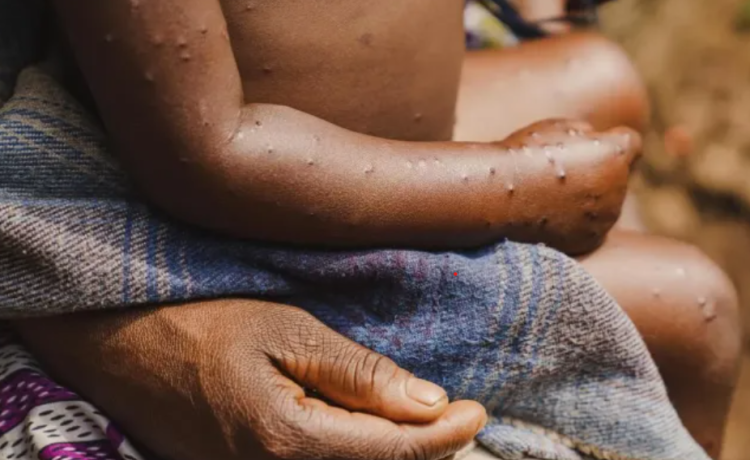
Mpox is a viral disease that can spread through close physical contact. Symptoms may include fever, swollen lymph nodes and a rash or skin lesions. Public health authorities have encouraged families to seek medical attention when symptoms appear and to follow official guidance aimed at reducing transmission.
In response to the outbreak, UNICEF is working with Guinea-Bissau’s Ministry of Public Health, the World Health Organization and other partners. Their efforts include strengthening surveillance, improving contact tracing, supporting infection prevention measures and providing communities with accurate information about the disease.
Community awareness has also become an important part of the response. Health workers have reportedly begun outreach activities to help residents understand the symptoms of mpox and the steps they can take to protect themselves and their families.
Health experts say stronger testing capacity and better surveillance will be essential in determining the true scale of the outbreak. Authorities will also need to closely monitor new cases as schools prepare to reopen.
The situation in Guinea-Bissau highlights the wider challenge of responding quickly to infectious disease outbreaks in countries with limited health infrastructure. Although the number of confirmed cases remains relatively small, officials say early action is necessary to prevent the outbreak from spreading further.
For families across Guinea-Bissau, particularly those with young children, the coming weeks will be important as health authorities continue monitoring suspected cases and strengthening efforts to contain the country’s first recorded mpox outbreak.