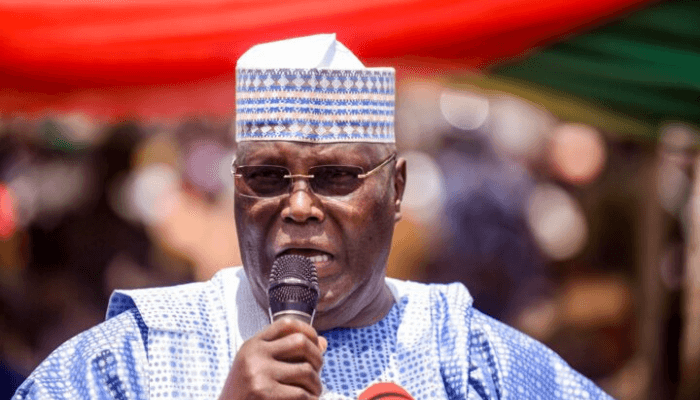
Former Vice President Atiku Abubakar has raised fresh questions over the Federal Government’s borrowing strategy, challenging the administration of President Bola Ahmed Tinubu to explain why Nigeria continues to accumulate debt despite an increase in oil revenues.
Atiku’s criticism has reignited debate over the management of Nigeria’s public finances and the government’s approach to funding its economic programmes at a time when the country continues to face significant debt obligations and fiscal pressures.
The former vice president reportedly questioned the rationale behind continued borrowing in light of what he described as a substantial increase in revenue from the oil sector. According to the argument, improved earnings from crude oil should provide the government with additional fiscal space to finance development programmes without placing excessive pressure on future generations through additional debt.
Nigeria remains heavily dependent on borrowing to finance government expenditure, with debt servicing taking up a significant portion of public revenue. The situation has generated concerns among economists, opposition politicians and other stakeholders who have repeatedly called for stronger fiscal discipline and greater transparency in public spending.
Atiku’s latest comments are likely to add to the growing political debate surrounding the Tinubu administration’s economic policies as the country moves closer to the 2027 general elections.
The former vice president has consistently criticised aspects of the government’s economic reforms, particularly policies relating to borrowing, taxation, inflation and the management of public resources. His latest intervention places the issue of debt at the centre of the political conversation.
The Federal Government, however, has maintained that its borrowing decisions are linked to the need to fund critical infrastructure and support economic growth. The administration has argued that borrowing, when directed towards productive investments, can help accelerate development and create the conditions for long-term economic expansion.
The government has also highlighted reforms aimed at improving revenue generation and reducing inefficiencies within the public sector.
However, critics argue that borrowing must be accompanied by clear accountability and measurable economic returns. They maintain that increased government revenue should translate into stronger public services, infrastructure development and improved living conditions rather than a continued expansion of the country’s debt burden.
The debate also reflects wider concerns about Nigeria’s fiscal sustainability. As the government seeks to balance debt obligations with spending on infrastructure, social programmes and economic reforms, questions about the country’s revenue base and expenditure priorities are expected to remain prominent.
For ordinary Nigerians, the issue is closely connected to the broader economic challenges facing households and businesses. High inflation, rising living costs and unemployment have increased public scrutiny of government spending and economic management.
Atiku’s criticism therefore comes at a politically significant moment, as opposition parties and political figures continue to assess the performance of the Tinubu administration ahead of the 2027 elections.
The controversy over borrowing and oil revenue is expected to remain part of the national political discourse, with stakeholders calling for greater transparency, prudent financial management and a clearer link between government borrowing and tangible improvements in the lives of Nigerians.