Angola is seeking budget support financing from the African Development Bank (AfDB) as it moves to protect vulnerable citizens from the economic impact of global conflict and manage rising debt obligations.
Finance Minister Vera Daves de Sousa told Reuters that the government is in talks with the AfDB for a $165 million loan, while also considering additional borrowing from bilateral partners and international markets to meet its external financing target of about $1 billion for the year.
Describing the process as ongoing, she said the proposed loan would require policy adjustments that Angola is still working to implement before it can be submitted for AfDB board approval.
“This is a work in progress,” she said on the sidelines of the IMF and World Bank spring meetings in Washington, adding that no timeline has been set for final approval.
Angola, a major oil producer, is expected to benefit from higher crude prices driven by geopolitical tensions. The country based its 2026 budget on an oil price benchmark of $61 per barrel, while Brent crude is currently trading close to $100.
Despite the windfall, debt servicing continues to weigh heavily on public finances, consuming nearly half of Angola’s initial 2026 budget projections. Authorities have been working to reduce this burden through fiscal reforms and improved revenue management.
The government is not currently pursuing a new IMF lending programme, although the finance minister said it remains an option if needed. Instead, Angola is receiving technical assistance from the IMF focused on tax reform, expenditure analysis, and broader fiscal adjustments.
“We stand ready if needed. But for now, that decision was not made,” Daves de Sousa said.
In parallel, the World Bank recently approved a guarantee for a debt-for-education swap aimed at funding new school construction projects. The finance minister said the government plans to complete the arrangement by June.
Angola has already secured about $2.9 billion of its $3.8 billion external financing target for the year, with remaining funds expected from bilateral loans or capital markets, depending on final revenue assessments.
Officials said the government is reviewing borrowing needs as stronger-than-expected oil revenues could reduce financing pressures. Economic growth is projected at around 4%, supported by the oil sector even as other parts of the economy slow due to global uncertainty.
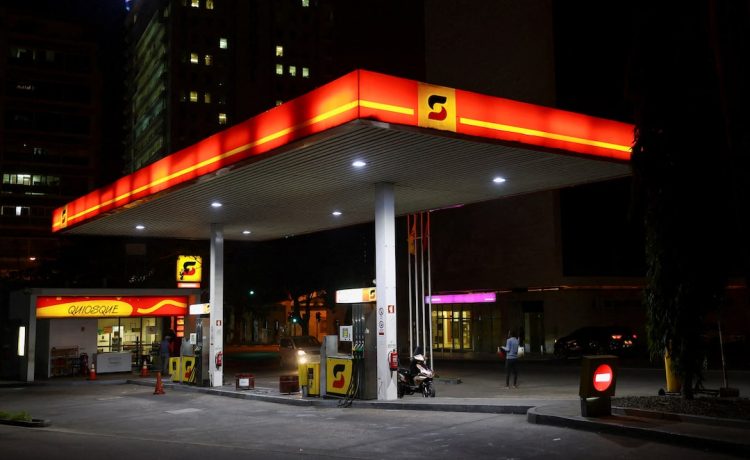
The government has also continued subsidy reforms, removing support for jet fuel and scaling back general fuel subsidies, though further reductions are still under consideration.
Authorities say they are weighing how best to use the oil windfall to accelerate priority spending while maintaining fiscal stability.