The African Union has called on member states to strengthen healthcare systems through improved coordination between health institutions, nutrition programmes, population policies and drug-control agencies.
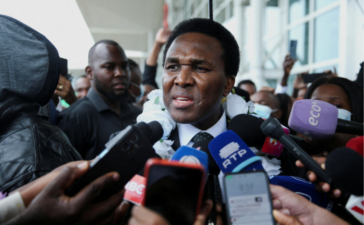
The call was made during the opening of the Sixth Ordinary Session of the African Union Specialised Technical Committee on Health, Nutrition, Population and Drug Control in Luanda, Angola.
The meeting, which runs from November 16 to 20, 2026, brings together ministers, policymakers, technical experts and representatives of African institutions to examine challenges affecting healthcare delivery and human development across the continent.
The discussions are taking place under the theme, “Strengthening Integrated Health, Nutrition, Population and Drug Control Systems to Advance Human Capital and Social Resilience in Africa.”
The African Union believes that improving healthcare outcomes requires cooperation between different sectors rather than allowing institutions to operate independently.
The organisation also wants member states to strengthen policies that improve access to medical services, support nutrition and address population-related challenges.
African Union+1
Why integrated healthcare matters
Healthcare challenges across Africa are connected to several social and economic factors.
Poor nutrition can increase the risk of disease, while inadequate sanitation can contribute to the spread of infections.
Limited access to healthcare facilities can also delay diagnosis and treatment, particularly in rural communities.
The African Union is therefore encouraging governments to develop policies that address these issues together.
For example, improving access to clean water can reduce the spread of waterborne diseases, while stronger nutrition programmes can support child development and reduce malnutrition.
The organisation also wants countries to improve cooperation between healthcare institutions and agencies responsible for population management and drug regulation.
Such coordination could help governments use available resources more efficiently and improve the delivery of essential services.
Strengthening Africa’s healthcare institutions
The meeting is also examining the role of continental health institutions.
Among the important organisations discussed are the Africa Centres for Disease Control and Prevention and the African Medicines Agency.
Africa CDC plays an important role in supporting disease surveillance, emergency preparedness and responses to public health threats.
The African Medicines Agency is intended to strengthen the regulation of medical products and improve access to safe, effective and quality medicines.
The African Union wants member states to support these institutions and improve coordination between national health authorities.
Stronger regulatory systems could also help address the circulation of substandard and falsified medicines.
Maternal health and disease prevention
Another important issue on the meeting’s agenda is maternal mortality.
The African Union is reviewing a continental report on the causes and drivers of maternal deaths.
Maternal health remains an important development challenge because preventable complications during pregnancy and childbirth continue to affect women in several African countries.
Improving access to antenatal services, skilled birth attendants, emergency obstetric care and essential medicines is important for reducing maternal deaths.
The meeting is also considering progress on the Common African Position on antimicrobial resistance.
Antimicrobial resistance occurs when microorganisms develop the ability to survive medicines designed to eliminate them.
This can make infections more difficult to treat and increase the risks associated with common medical procedures.
African governments are being encouraged to strengthen surveillance, improve responsible medicine use and support research.
Water, sanitation and public health
The meeting is also linked to the African Union’s 2026 theme on sustainable water availability and safe sanitation.
Access to clean water and proper sanitation remains essential for preventing disease and improving public health.
Communities without reliable water supplies may experience increased exposure to infections and other preventable health problems.
Improving water infrastructure could therefore support better health outcomes while also strengthening agricultural production and economic development.
The integration of water and sanitation policies into healthcare planning is expected to be an important part of the discussions.
Funding remains a major challenge
Although African countries have made progress in expanding healthcare services, financing remains a significant challenge.
Many governments depend on external support for disease-control programmes, medical supplies and infrastructure development.
The African Union is encouraging member states to strengthen domestic financing and improve the efficiency of healthcare spending.
Greater investment in local pharmaceutical production could also reduce dependence on imported medicines.
Outlook
The meeting in Luanda provides an opportunity for African governments to develop a more coordinated approach to healthcare delivery.
The expert sessions run from November 16 to 18, while the ministerial meeting is scheduled for November 19 and 20.
The expected policy recommendations could influence healthcare planning across member states.
However, the success of the discussions will depend on the implementation of agreed policies, adequate financing and stronger national institutions.