Growing tensions between the United States and Iran are creating fresh concerns for African economies, particularly countries that depend heavily on imported fuel, food and other goods transported through the Middle East.
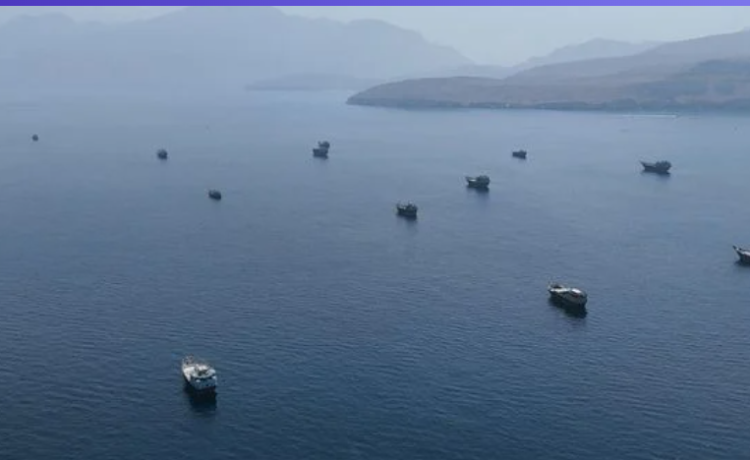
The Strait of Hormuz, one of the world’s most important oil-shipping routes, has experienced a sharp decline in vessel traffic following attacks on shipping and renewed threats from Iran. Reuters reported that only seven commodity vessels passed through the strait on Monday, compared with eight the previous day.
Oil prices climb
The disruption has pushed international oil prices higher. Brent crude reached around $97 per barrel on Monday, its highest level in about six weeks, as investors worried that prolonged fighting could further restrict global energy supplies.
For African countries that import large quantities of petroleum products, higher crude prices could translate into increased costs for fuel, transportation, electricity and imported goods.
Shipping routes under pressure
The Strait of Hormuz carries a major share of global oil and gas supplies. Iran has threatened further retaliation against US interests and has indicated that it could introduce a new restricted zone and shipping corridor in the Gulf.
The decline in traffic is already affecting the shipping industry. Analysts say prolonged disruption could force vessels to take longer and more expensive routes, increasing freight and insurance costs.
At the same time, traffic through the Bab el-Mandeb Strait, another important route linking the Red Sea with the Gulf of Aden, increased to 29 commodity vessels on Monday from 17 the previous day.
Impact on Africa
African economies could feel the effects in several ways:
- Higher petrol and diesel prices as global oil prices rise.
- More expensive shipping for imported goods.
- Higher costs for African businesses that rely on international supply chains.
- Possible increases in food and manufacturing costs.
- Greater pressure on governments that subsidise fuel.
Oil-producing African countries could benefit from higher crude prices, but countries that are heavily dependent on imported refined petroleum products may face greater pressure.
UAE seeks alternative routes
The United Arab Emirates has already begun developing alternative energy-export routes and trade corridors to reduce its dependence on the Strait of Hormuz. The UAE says its energy exports and economic activity cannot be allowed to become vulnerable to the conflict.
Analysts warn that if the disruption continues into 2027, oil prices could remain elevated. Goldman Sachs has raised its oil-price forecasts because it expects shipping disruptions in the Middle East to persist.
What it means for Africa
The situation highlights how developments far outside Africa can quickly affect the continent. With many African countries dependent on imported fuel, fertiliser, machinery and consumer goods, a prolonged shipping disruption could increase the cost of living and put additional pressure on inflation.