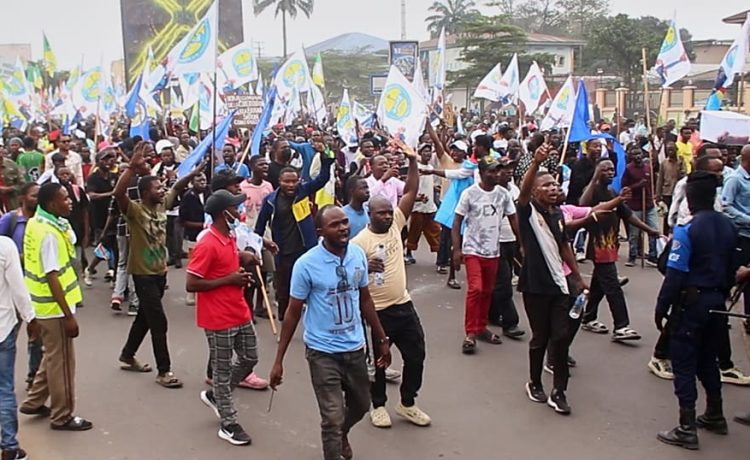
Fresh clashes have erupted in Kinshasa following an opposition-led protest, intensifying political tensions in the Democratic Republic of the Congo as disputes over proposed constitutional reforms continue to escalate.
A demonstration organized by the Article 64 Coalition (C64) ended in confrontations between protesters and security forces, with opposition figures accusing authorities of using excessive force. Government officials, however, rejected the allegations, insisting that security interventions were necessary to maintain public order.
The protest comes just days after a June 3 stay-at-home campaign, signaling a growing wave of coordinated opposition activity against the government’s reform agenda.
Political analyst Christian Moleka said the recent unrest reflects a shift in political momentum, arguing that authorities may have underestimated the opposition’s capacity for sustained mobilization.
According to Moleka, earlier government focus on instability in eastern regions may have contributed to a misreading of political sentiment in the capital, Kinshasa. He warned that continued protests could force a strategic reassessment by the state as opposition resistance intensifies.
Opposition leader Martin Fayulu has increasingly become a central figure in the anti-reform movement. Analysts say his rising influence has placed him at the forefront of efforts to resist constitutional changes that critics fear could enable President Félix Tshisekedi to pursue a third term in office.
Moleka also noted that the government has attempted to politically associate Fayulu with former president Joseph Kabila and his allies, a narrative critics argue is aimed at discrediting opposition activities and framing them as part of broader national instability.
Tensions have further intensified following the National Assembly’s overwhelming approval of a referendum bill just three days before the opposition sit-in. The legislation now proceeds to the Senate for further review, marking a key step in the constitutional reform process.
While supporters argue the reforms are necessary for governance improvements, critics warn they could open the door for extended presidential rule, a claim that has become a rallying point for opposition groups.
Despite the government’s legislative momentum, the C64 coalition has pledged to sustain pressure through protests and political mobilization, positioning itself as a major counterforce to the ruling majority.
As both sides harden their positions, the constitutional reform debate is rapidly emerging as one of the most consequential political confrontations in the Democratic Republic of the Congo in recent years.