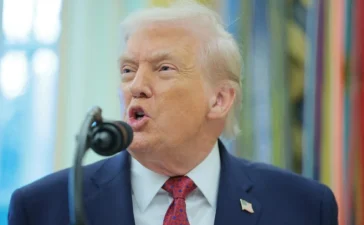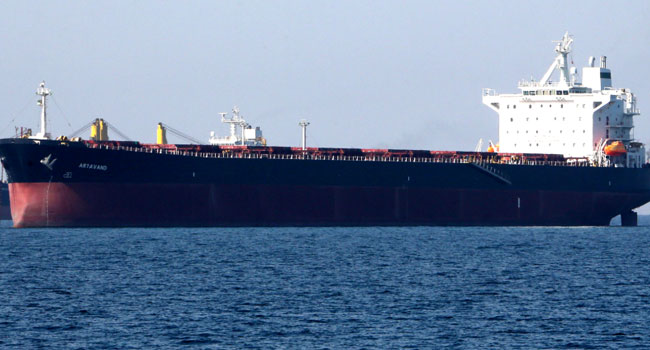
US President Donald Trump has said commercial shipping is already resuming through the Strait of Hormuz, adding that the vital global oil route would be “completely open” by Friday following a peace agreement between the United States and Iran.
The announcement marks a significant step toward ending months of conflict in the Middle East, which had disrupted global energy supplies and triggered sharp increases in oil prices and inflationary pressures worldwide.
“Ships are starting to move, many loaded up with Oil, out of the Strait of Hormuz,” Trump said, adding that he did not expect the US to require significant assistance in keeping the waterway open.
The Strait of Hormuz, one of the world’s most critical energy chokepoints, was effectively blockaded during the conflict that began in late February following US-Israeli strikes on Iran. The closure sent oil prices soaring and raised fears of a prolonged global economic shock.
Under the reported agreement, the United States, Iran and mediator Pakistan have agreed to formally sign the deal in Switzerland on Friday. However, a senior US official said key signatories, including Trump, Vice President JD Vance and Iranian parliamentary speaker Mohammad Bagher Ghalibaf, had already electronically signed the text.
“The president wanted to sign it personally because he wanted to show his dedication to bring this through to a successful resolution,” the official said.
Iran’s Deputy Foreign Minister Kazem Gharibabadi described the deal as bringing an “immediate end” to the war, while noting that further negotiations toward a final agreement would continue over the next two months.
Iranian authorities, however, struck a mixed tone. While officials hailed the accord as a diplomatic breakthrough, Foreign Minister Abbas Araghchi warned against past experiences of broken commitments.
“We have a history of broken commitments… we have a history of agreements being torn up. All of this is present in our minds,” he said.
Iran also insisted that Washington ensure Israel fully complies with the terms of the ceasefire, particularly in Lebanon, where fighting escalated after Hezbollah launched attacks in response to earlier Israeli strikes.
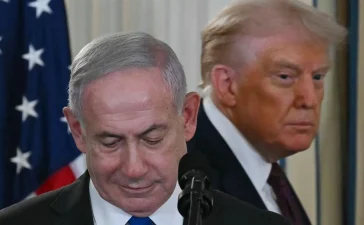
Israeli Prime Minister Benjamin Netanyahu said Israeli forces would remain deployed in Lebanon, Syria and Gaza “as long as necessary,” underscoring continued tensions despite the agreement.
Lebanese officials welcomed the ceasefire framework, with President Joseph Aoun calling it a “positive step towards reducing tensions.” However, reports of renewed violence emerged shortly after, including a deadly Israeli strike in southern Lebanon.
The agreement also includes provisions on frozen Iranian assets and nuclear negotiations. Iranian officials said Washington had committed to releasing funds abroad and compensating Tehran for wartime damages, though exact figures remain disputed.
Iranian media had earlier reported that up to $12 billion in frozen assets could be released ahead of further talks.
The deal is expected to pave the way for renewed negotiations on Iran’s nuclear programme, including contentious issues surrounding uranium enrichment limits and long-term verification mechanisms.
While Trump suggested possible enrichment restrictions could last between 15 and 20 years, Iranian officials indicated they would later pursue UN Security Council involvement in formalising a final agreement.
Iran also announced plans to impose maritime service fees on vessels passing through the Strait of Hormuz once it is fully reopened.
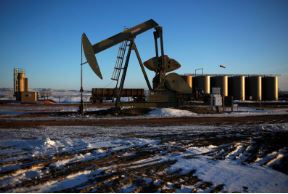
The announcement has already had immediate effects on global markets. Oil prices fell sharply by nearly five per cent to around $80 per barrel after surging above $110 during the conflict, while global stock markets rallied on expectations of stabilising energy supplies.
The Dow Jones Industrial Average reached a record high, and the Nasdaq gained more than three per cent as investors reacted positively to easing geopolitical tensions.
Several international leaders, including those from Saudi Arabia, Egypt, Britain, France, Germany, and Italy, welcomed the agreement, while the United Nations described it as a “critical step” toward regional stability.
However, analysts warn that key details of the agreement remain unclear and that full normalisation of energy flows may take time, even after the formal signing scheduled for Friday in Switzerland.