Tensions between the United States and Iran escalated sharply on Wednesday as both sides exchanged strikes and issued warnings of further military action, deepening fears of a broader regional conflict.
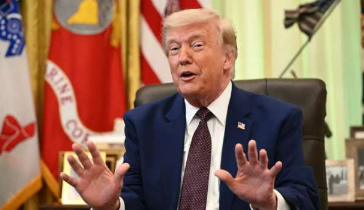
US President Donald Trump said the United States would continue its attacks on Iran, insisting that the country would be “hit hard” following overnight exchanges between both sides.
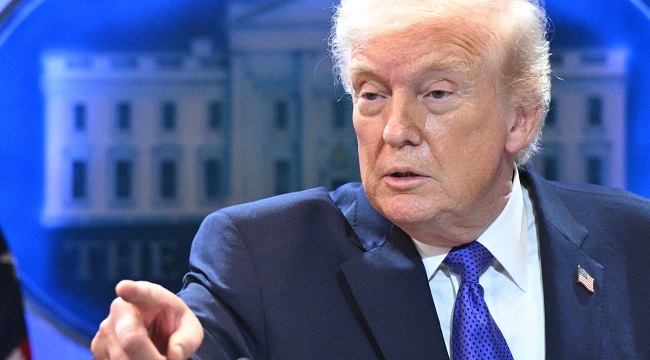
“We hit them hard yesterday and we’re going to hit them hard again today,” Trump told reporters in the Oval Office, while reiterating his call for Iran to “sign a deal.”
In response, Iranian President Masoud Pezeshkian vowed that Iran would resist external pressure, writing on social media platform X that the country “will stand firm against any pressure or threat.”
The escalation follows US strikes on Iranian targets earlier in the week after Trump accused Iran of shooting down a US Army helicopter operating near the Strait of Hormuz. Iran’s Islamic Revolutionary Guard Corps (IRGC) said it retaliated with strikes on US military bases across the region.
US Defence Secretary Pete Hegseth confirmed that further military action was planned, stating that “bombs would be dropping on key facilities in Iran” and reaffirming the administration’s hardline stance.
Earlier statements from Trump on social media accused Iran of delaying diplomatic negotiations and warned that the country would “pay the price,” while also claiming Iran had been “completely defeated” militarily.
Iran’s foreign ministry accused Washington of undermining diplomatic efforts through “contradictory messages” and repeated violations of ceasefire arrangements, arguing that the situation required a reassessment before further negotiations could continue.
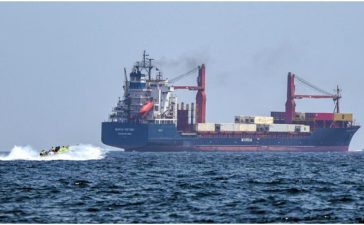
The conflict has also expanded into wider regional waters, with the US military reporting strikes on an oil tanker in the Gulf of Oman allegedly attempting to transport oil from Iran in violation of an ongoing blockade. The incident raised further tensions at a time when maritime security in the region remains fragile.
The Indian government confirmed that three Indian sailors were missing after the attack on the vessel Settebello, while 21 crew members were rescued off the coast of Oman.
US Central Command (Centcom) said its earlier strikes targeted Iranian air defence systems, radar installations, and ground control sites near the Strait of Hormuz, describing the operation as a “proportional response” to the downing of a US military helicopter.
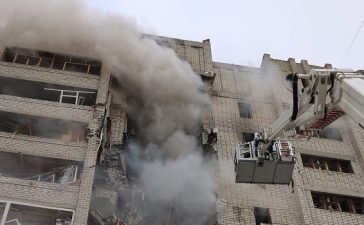
Iranian state media reported that some strikes damaged infrastructure, including reservoirs in the southern port town of Sirik, temporarily affecting access to drinking water for thousands of residents.
The IRGC claimed it had launched retaliatory strikes on 21 targets across US military installations in the region, including bases in Bahrain and Jordan. Kuwait’s military said it intercepted incoming attacks, while US officials reported that most Iranian missiles and drones were successfully neutralised with no confirmed casualties.
Reuters cited US officials as saying the response had been largely contained due to interception systems deployed across US bases in the Middle East.
The conflict, which began earlier in the year following joint US and Israeli strikes on Iran, has rapidly evolved into one of the most serious regional security crises in recent years, drawing in neighbouring countries and disrupting key global shipping routes.
Although a temporary ceasefire was reached in April, intermittent exchanges have continued, preventing a return to full diplomatic stability despite ongoing negotiations between both sides.
Trump reiterated that any potential agreement with Iran would prohibit the country from developing nuclear weapons, while Tehran continues to insist its nuclear programme is peaceful.
Meanwhile, the International Atomic Energy Agency (IAEA) adopted a US-backed resolution calling on Iran to provide greater transparency on its uranium stockpile and enrichment activities, a move Tehran criticised as politically motivated.
As military activity intensifies and diplomatic channels remain strained, global observers warn that the risk of wider escalation in the Middle East is rising, with potential implications for energy markets, international security, and global trade routes.