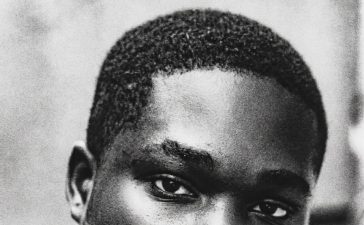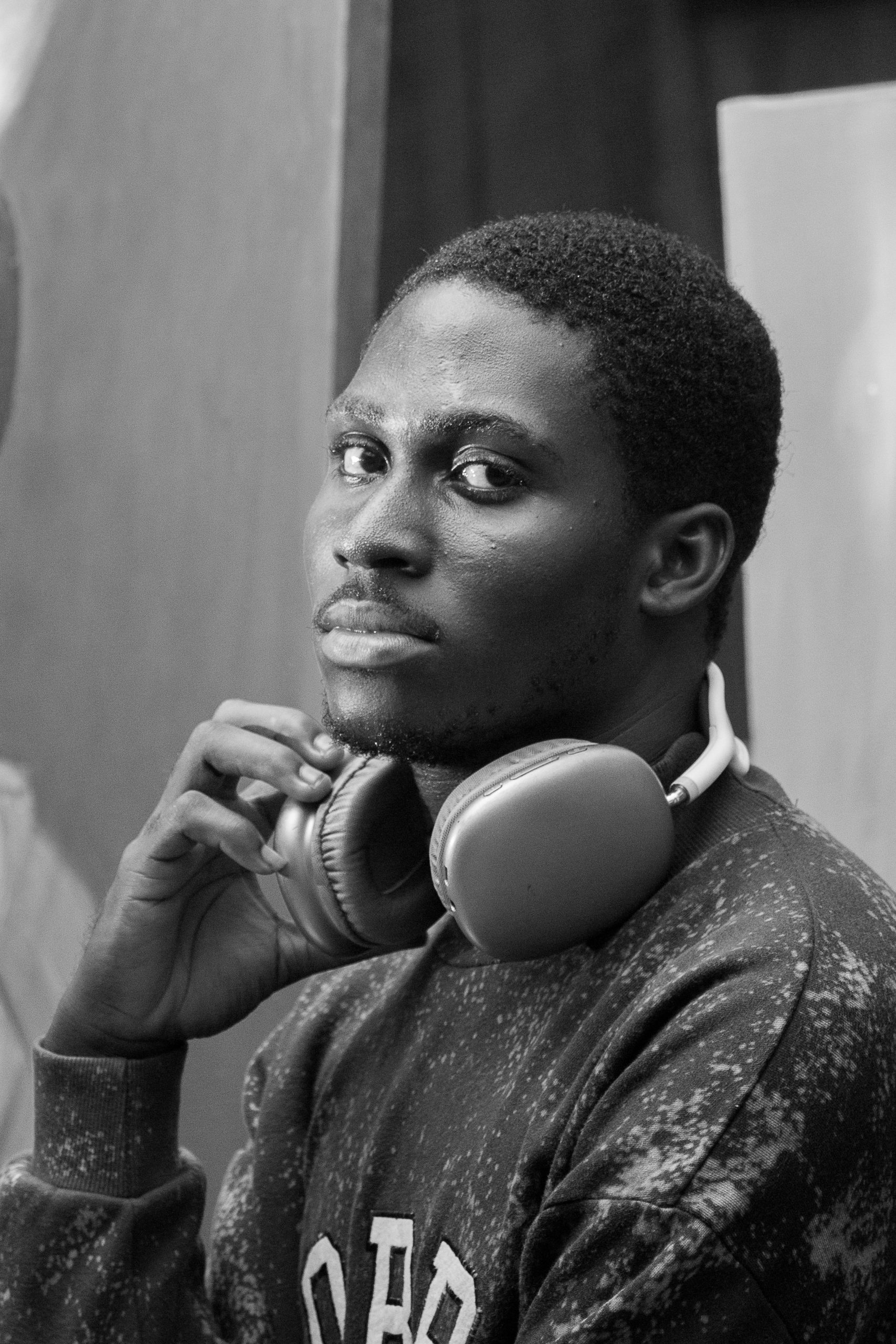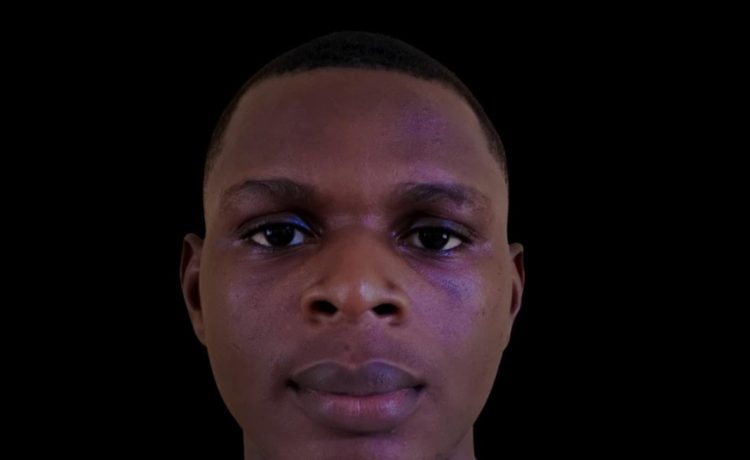
In an era when contemporary African artists are increasingly redefining global narratives, David Okoi is using figurative realism to explore the emotional landscapes that shape human identity.
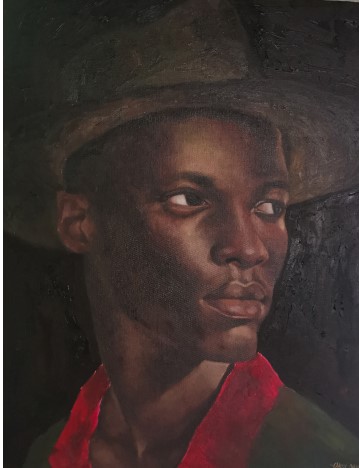
Through intimate portraits and carefully crafted compositions, the Lagos-based artist examines what he describes as the “emotional architecture” of human existence—the invisible structures of memory, experience, vulnerability, and connection that define who we are.
Rooted in the Black experience yet universal in its emotional resonance, Okoi’s work invites viewers to look beyond appearances and engage with the deeper narratives carried within the human figure.
His paintings reveal moments of quiet reflection, emotional presence, and psychological depth, offering nuanced portrayals that challenge stereotypes while celebrating the complexity of Black life.
As one of the featured artists in the forthcoming Here & Now: Becoming, Identity, Memory, and Environment exhibition at Thought Pyramid Art Centre, Lagos, Okoi presents works that explore identity, empathy, collective memory, and the significance of everyday human experiences.
In this exclusive conversation with AV1 News, he reflects on the role of portraiture in fostering understanding, the influence of Lagos on his artistic vision, and how contemporary African art is contributing to an evolving global conversation about humanity and belonging.
AV1: Your work explores the emotional architecture of human existence. What does that phrase mean to you?
David: For me, emotional architecture refers to the invisible structures that shape who we are, our memories, experiences, fears, desires, and relationships. Just as architecture gives form to a building, emotions give form to our identities. My work seeks to make those unseen structures visible through the human figure.
AV1: What first drew you to figurative realism as your primary mode of expression?
David: I have always been fascinated by people, because the human figure carries an incredible amount of information beyond words. Through figurative realism, I can create a direct connection between the viewer and the subject while preserving the emotional nuances that exist in facial expressions, posture, and gesture.
AV1: You focus on the Black experience. Why is that an important area of exploration for you?
David: As an African artist, it is both personal and necessary. My work is an invitation to see Black subjects as fully realized individuals with rich interior lives.
I want to contribute to a richer and more nuanced representation of Black lifeone that goes beyond stereotypes and highlights our humanity, vulnerability, joy, resilience, and emotional complexity.
AV1: How do identity and emotional inheritance shape your work?
David: Identity is never formed in isolation. We inherit stories, values, traumas, and aspirations from those who came before us. I am interested in how these inherited experiences shape the way we see ourselves and move through the world. My paintings often explore the tension between personal identity and collective memory.
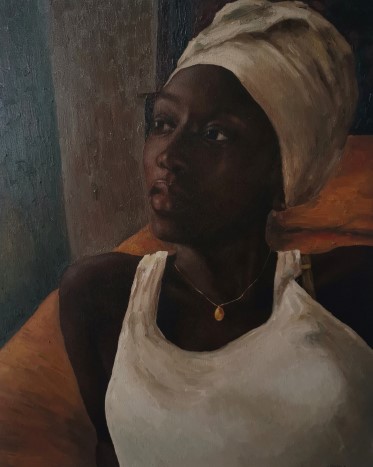
AV1: Your paintings often reveal hidden emotional narratives. How do you uncover those stories?
David: I begin by observing people, engaging them, not just how they look, but how they occupy space. Sometimes a slight shift in posture or a lingering gaze can communicate an entire story. I build my compositions around these subtle emotional cues, allowing the narrative to emerge naturally rather than forcing it.
AV1: Light and shadow play a significant role in your compositions. What symbolic meaning do they hold?
David: Personally I think light and shadow represent the duality of human experience. Light often symbolizes revelation, understanding, or hope, while shadow suggests mystery, memory, or the emotions we struggle to articulate. Together, they can create a visual language that reflects the complexity of our inner lives.
AV1: How do you balance technical realism with emotional depth?
David: Technical skill is important because it creates credibility. However, realism is never my final goal. I use technique as a vehicle for emotion.
If a painting is technically perfect but emotionally empty, then it has failed to communicate what matters most to me.
AV1: The exhibition is titled “Here & Now.” How does your work engage with its themes?
David: My work engages with the present by focusing on intimate moments that are often overlooked. These moments may seem ordinary, but they reveal universal truths about how we live, connect, and experience the world.
“Here & Now” reminds us that meaning often exists in the immediacy of everyday life.
AV1: What role does empathy play in portraiture?
David: For me, empathy is at the heart of portraiture. Because before I can paint someone, I must be willing to see them beyond appearances. Portraiture becomes a space of understanding, a way of acknowledging another person’s humanity and inviting viewers to do the same.
AV1: How do you hope viewers connect with your subjects?
David: I hope viewers see something of themselves in the work. Even if the subject’s experience is different from their own, I want them to recognize a shared emotional truth.
I think If a painting encourages reflection, connection, or understanding, then it has achieved its purpose.
AV1: What challenges do young contemporary African artists face today?
David: While opportunities are growing, many artists still face challenges related to visibility, funding, and access to international markets. At the same time, there is increasing global interest in African contemporary art.
AV1: How has growing up in Lagos State influenced your perspective?
David: Lagos State exposed me to a rich blend of cultures, histories, and traditions. It taught me the value of storytelling and community. Those influences continue to shape how I think about identity, belonging, and the narratives that connect people.
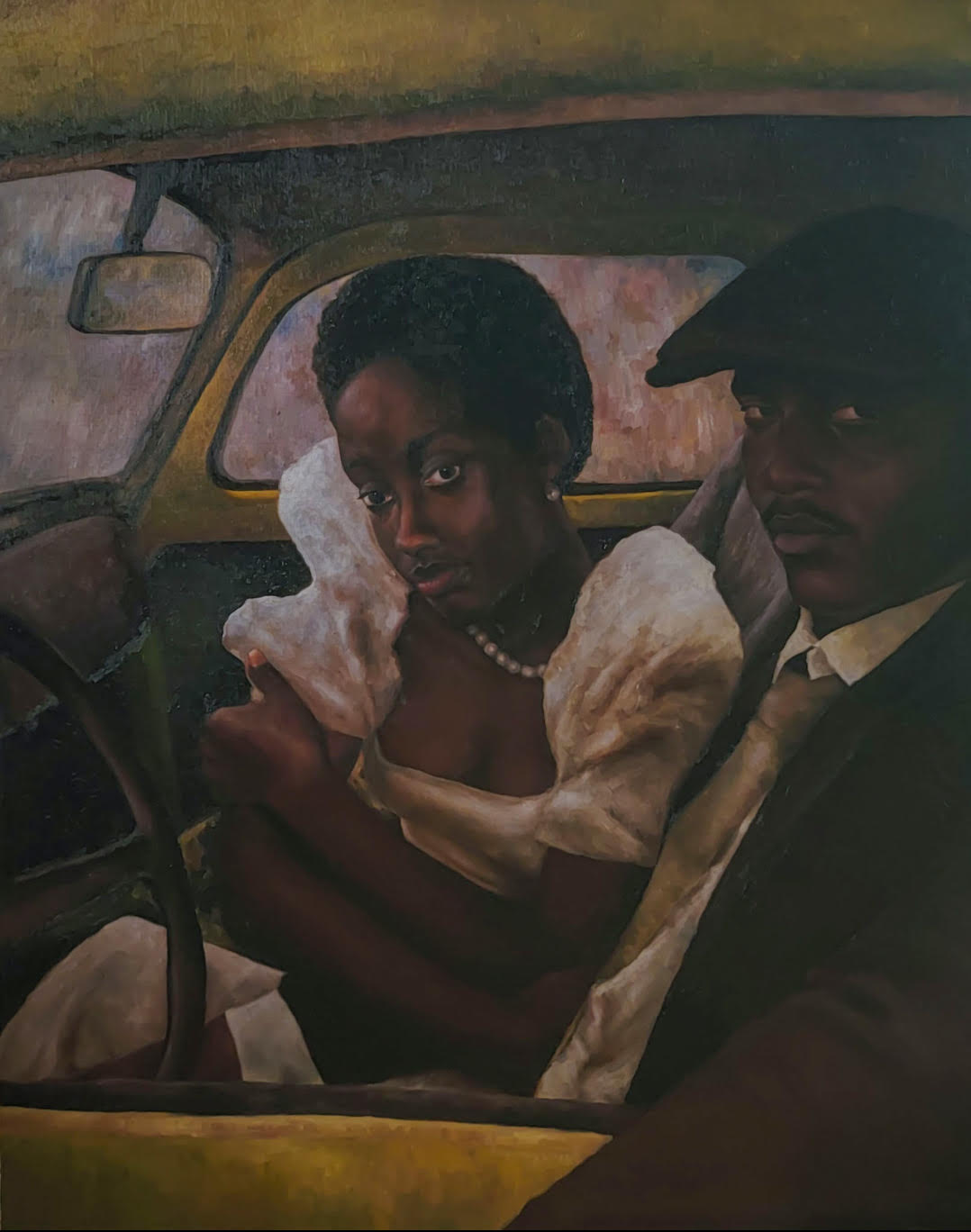
AV1: What emotional truths are you currently exploring through your work?
David: I am currently exploring themes of silence, vulnerability, and emotional presence. I am interested in the moments when people are alone with their thoughts, and how those quiet moments can reveal profound truths about who we are.
AV1:. What do you hope your paintings reveal about the human condition?
David: I hope they reveal that beneath our differences, we are connected by a shared emotional experience. We all long to be seen, understood, and remembered. My paintings are an attempt to honor that common humanity.
AV1: Where do you see your artistic journey heading in the coming years?
David: I see myself continuing to deepen my exploration of figurative painting while expanding the scale and ambition of my work.
I hope to exhibit internationally and contribute to the global conversation surrounding contemporary African art and the Black experience.
Most importantly, I want to continue creating work that resonates emotionally and remains honest to my vision.