Public transport operators in Kenya have called off a planned strike after President William Ruto announced a fresh cut in diesel prices, easing tensions triggered by recent fuel hikes linked to global market disruptions.
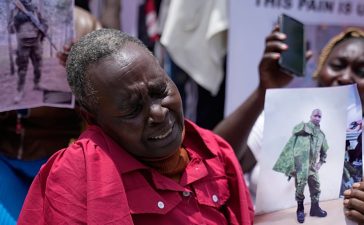
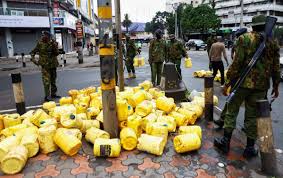
The strike, which had already paralyzed economic activity in Nairobi earlier in the week, erupted after sharp increases in fuel prices following the ongoing Iran-related global oil crisis. The protests turned violent, leaving at least four people dead and around 30 others injured in clashes with police.
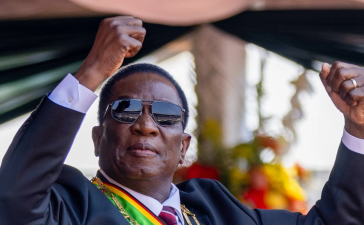
In a televised address on Friday, Ruto announced a reduction of 10 Kenyan shillings per litre in diesel prices for the June–July pricing cycle, representing a cut of more than 4 percent. The move followed an earlier partial reduction introduced earlier in the week after initial strike action.
Transport leaders, who were present during the announcement, confirmed the suspension of the planned nationwide strike after the government’s latest intervention.
Kenya’s Energy and Petroleum Regulatory framework, which sets monthly maximum fuel prices, had recently increased diesel prices by 23.5 percent, pushing costs to record highs before the rollback measures.
The government says it has spent over 28.1 billion shillings subsidising fuel prices between April and June in an effort to cushion citizens from global oil volatility caused by the Iran war and supply chain disruptions.
However, analysts warn that the continued subsidy regime could deepen pressure on Kenya’s already strained public finances, with debt servicing consuming more than 70 percent of ordinary revenue in the last fiscal year.
Ruto, who faces re-election in 2027, has defended his administration’s fuel strategy, saying government-to-government supply agreements with Middle Eastern producers have helped stabilize fuel availability despite global shocks.
The president also said the latest intervention was necessary to prevent further economic disruption and maintain stability in transport and trade sectors.