Iran’s Foreign Minister Abbas Araghchi has met Pakistan’s Interior Minister Syed Mohsin Naqvi in Tehran to discuss diplomatic proposals aimed at ending the ongoing U.S.–Israeli war, according to Iranian media reports.
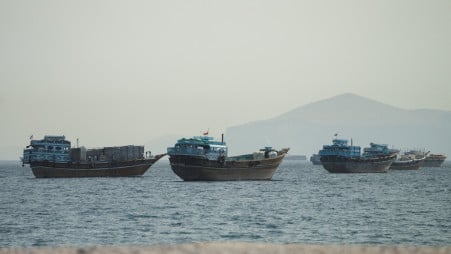
The talks come as Tehran and Washington remain divided over key issues, including Iran’s uranium enrichment programme and proposed controls over the strategically vital Strait of Hormuz.
Naqvi reportedly delivered messages from U.S. negotiators earlier in the week and returned for further discussions aimed at building a framework for de-escalation and a possible settlement, Iranian outlets ISNA and Tasnim reported.
U.S. Secretary of State Marco Rubio said there were “some good signs” in the negotiations but warned that no agreement would be possible if Iran proceeds with tolling measures on shipping through the Strait of Hormuz.
“There’s some good signs… let’s see what happens over the next few days,” Rubio told reporters.
A senior Iranian source told Reuters that while gaps in negotiations have narrowed, major disagreements remain over uranium enrichment levels and maritime controls in the Strait of Hormuz, through which nearly one-fifth of global oil shipments traditionally pass.
U.S. President Donald Trump has insisted that Washington intends to recover Iran’s highly enriched uranium stockpile, which U.S. officials suspect could be used for weapons development, a claim Tehran denies.
Iranian officials, however, maintain that their nuclear programme is for peaceful purposes and have rejected demands to transfer enriched uranium abroad.
The war has triggered severe disruptions in global energy markets, pushing oil prices higher and raising concerns about inflation and supply stability. Analysts warn that reduced maritime traffic through the Strait of Hormuz could deepen the crisis.
The International Energy Agency has described the situation as the world’s worst energy shock in recent years, noting that global markets could enter a “red zone” during peak summer demand.
Meanwhile, diplomatic efforts continue amid competing proposals, including sanctions relief, asset unfreezing, and security guarantees, though no breakthrough has been achieved.
Both sides remain under pressure as the conflict continues to affect global energy flows, regional stability, and international trade routes.