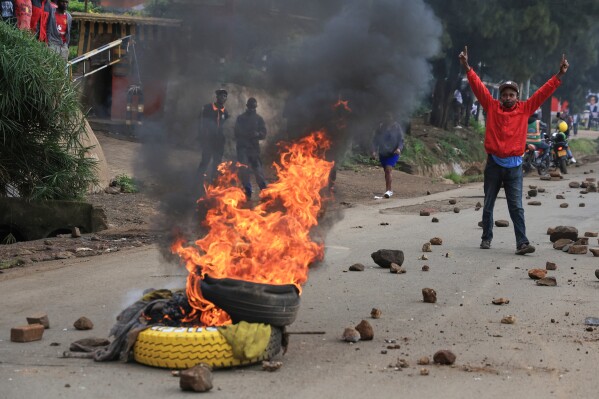
Protests over sharp fuel price increases erupted across several Kenyan towns on Monday, as a nationwide public transport strike left commuters stranded and forced many residents to walk long distances to work.
The Transport Sector Alliance announced on Sunday that all vehicles belonging to its member associations would cease operations from midnight in protest against the latest fuel price hike, while police warned they would intervene to prevent disruptions.
The unrest follows a recent decision by the Energy and Petroleum Regulatory Authority to raise retail fuel prices by as much as 23.5 percent, coming shortly after a previous increase of 24.2 percent.
Authorities attributed the surge in fuel costs to tightening global oil supply conditions linked to the ongoing conflict involving Iran, which has disrupted energy markets and increased import costs.
On Monday morning, major roads leading into Nairobi were blocked by striking transport operators and groups of protesters, causing severe traffic congestion and widespread commuter delays.
Police used tear gas in some areas to disperse demonstrators, while some protesters reportedly burned tyres to block access to key roads.
In Mombasa, Kenya’s primary port city, the strike raised concerns about possible disruptions to cargo movement and supply chains.
Kenya’s Finance Minister John Mbadi said the government planned to meet transport operators later in the day in an effort to reach a resolution, noting that current fuel prices already included subsidies.
Kenya relies heavily on fuel imports from the Middle East through government-to-government arrangements, making its economy particularly vulnerable to global oil price fluctuations.
The latest increases have significantly raised transport fares and contributed to higher food and commodity prices, intensifying pressure on households already grappling with a high cost of living.
A Nairobi resident, Gabriel Odhiambo, said his daily transport expenses had doubled, while basic food prices had surged sharply, with staple items such as tomatoes reportedly tripling in cost.
Under the latest pricing cycle for May 15 to June 14, petrol in Nairobi rose to 214.25 Kenyan shillings per litre from 206.97, diesel increased to 242.92 shillings from 196.63, while kerosene prices remained unchanged at 152.78 shillings per litre.
The protests highlight growing public frustration over inflationary pressures in East Africa’s largest economy, as global energy market instability continues to ripple through domestic transport and food systems.