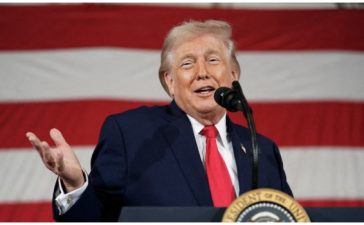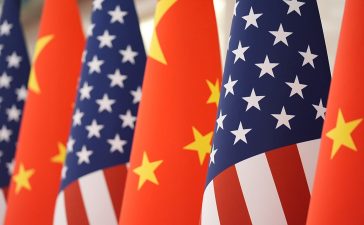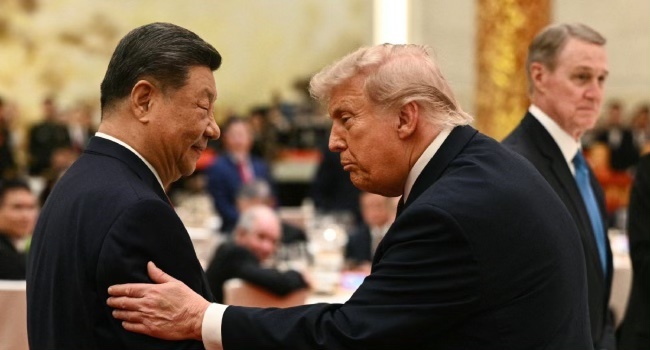
Donald Trump and Xi Jinping held what the White House described as a “good” meeting on Thursday, agreeing that the Strait of Hormuz must remain open to ensure global energy supplies continue flowing.
The meeting came as tensions in the Middle East continue to disrupt shipping through the vital maritime route following the outbreak of war involving the United States, Israel and Iran earlier this year.
According to the White House, both leaders agreed that maintaining access through the Strait of Hormuz was critical to global energy stability.
“The two sides agreed that the Strait of Hormuz must remain open to support the free flow of energy,” the White House said in a statement.
The strait is one of the world’s most important oil transit routes, with roughly one-fifth of global oil and natural gas supplies normally passing through it.
Iran has reportedly restricted shipping activity in the area since hostilities escalated on February 28.
China is among the countries most affected by the disruption because more than half of its seaborne crude oil imports originate from the Middle East and pass through the Strait of Hormuz.
The White House also said Xi expressed interest in increasing purchases of American oil to reduce China’s future dependence on the strategic waterway.
However, Beijing’s official statement on the meeting did not reference any plan to buy additional US oil.
The talks between both leaders also came amid wider geopolitical tensions between Washington and Beijing.
Notably, the White House statement did not mention discussions about Taiwan, one of the most sensitive issues in US-China relations.
Earlier, Chinese state media reported that Xi warned Trump that mishandling the Taiwan issue could lead to direct conflict between both global powers.
The meeting highlights growing concerns among world leaders over energy security, regional instability and the broader economic impact of ongoing geopolitical conflicts.