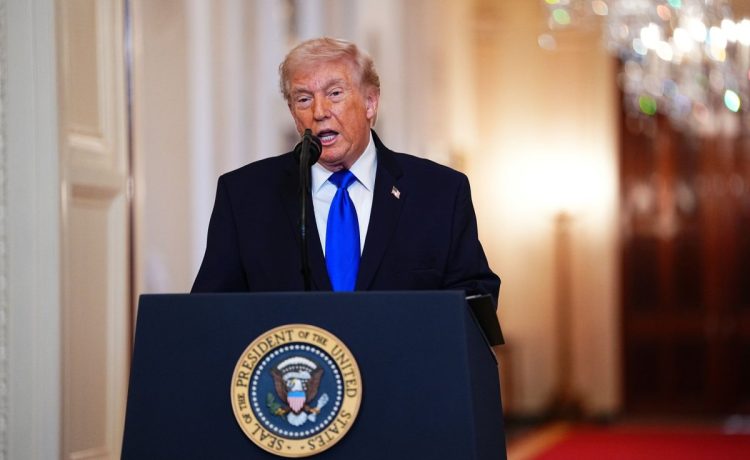
US President Donald Trump on Sunday described Iran’s conditions for ending the ongoing Middle East conflict as “totally unacceptable,” increasing concerns that fresh hostilities could erupt after weeks of diplomatic negotiations.
Trump reacted after Tehran reportedly responded to Washington’s latest peace proposal while warning that it would retaliate against any new US military strikes and reject the presence of additional foreign warships in the Strait of Hormuz.
In a brief statement shared on his Truth Social platform, Trump made it clear that he was dissatisfied with Iran’s counterproposal.
“I have just read the response from Iran’s so-called ‘Representatives.’ I don’t like it — TOTALLY UNACCEPTABLE!” Trump wrote.
The exchange comes amid continued tensions between Iran and Israel following the war launched on February 28 by Israeli forces alongside the US military.
Israeli Prime Minister Benjamin Netanyahu said the conflict would not end until Iran’s enriched uranium stockpile is removed and its nuclear facilities are dismantled.
Speaking in an interview with CBS’s “60 Minutes,” Netanyahu stressed that Iran’s nuclear programme remains a major concern.
“It’s not over, because there’s still nuclear material — enriched uranium — that has to be taken out of Iran,” he said.
Iran, however, maintained a defiant stance despite ongoing diplomatic efforts behind closed doors.
Iranian President Masoud Pezeshkian said Tehran would not surrender under pressure.
“We will never bow down to the enemy, and if there is talk of dialogue or negotiation, it does not mean surrender or retreat,” Pezeshkian wrote on X.
According to Iran’s state broadcaster IRIB, Tehran’s response to the US proposal was delivered through Pakistani mediators and focused on ending the conflict across multiple fronts, especially in Lebanon, where Israel continues to battle Iran-backed Hezbollah.
The response also reportedly emphasized the need to guarantee shipping security in the Gulf region.
Meanwhile, Trump is expected to discuss Iran with Chinese President Xi Jinping during his upcoming visit to Beijing, as China remains one of the largest buyers of Iranian oil.